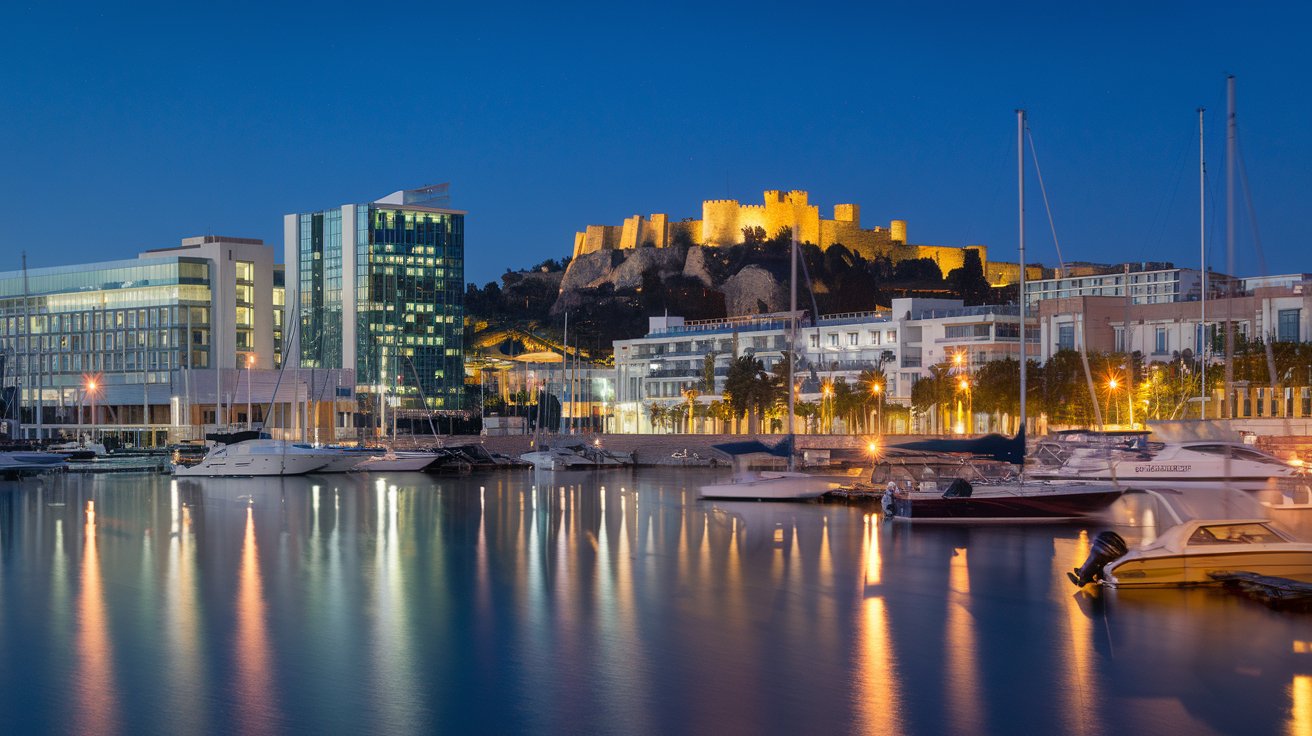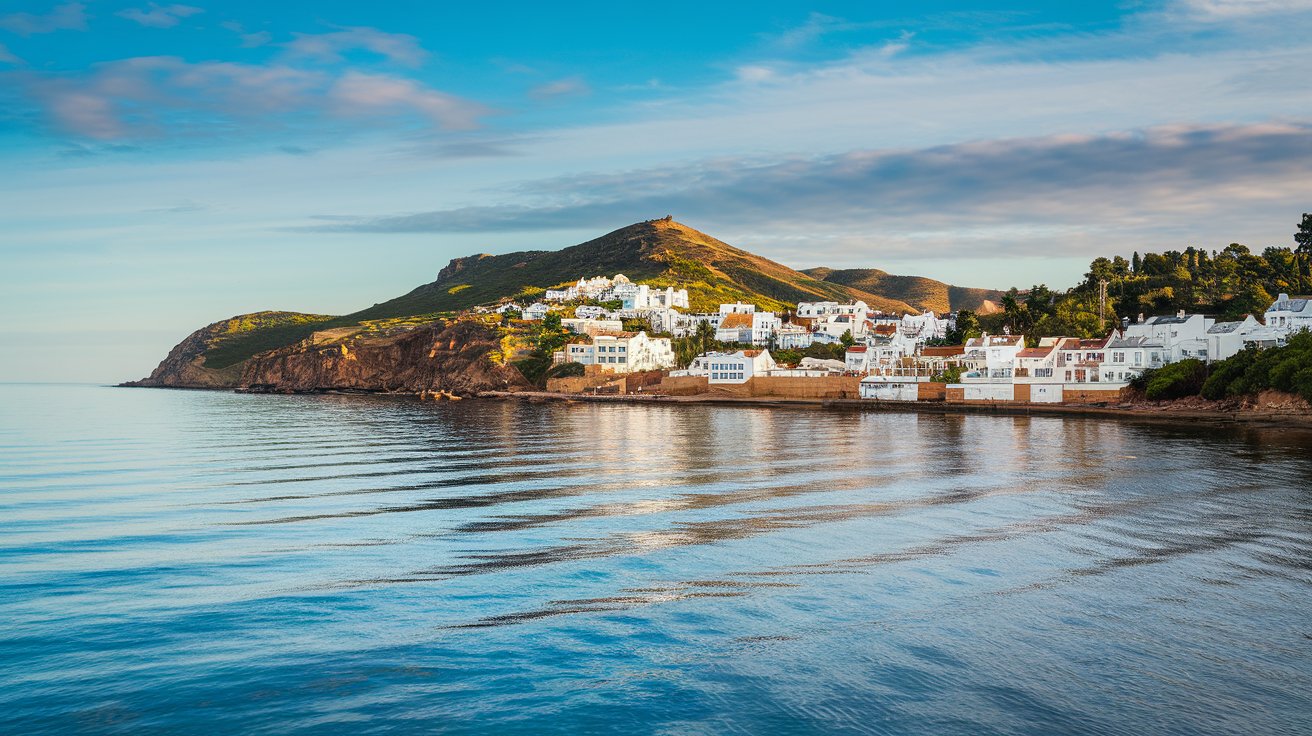
Costa Blanca is located on the southeastern Mediterranean coast of Spain, stretching approximately 120 miles through the Alicante province in the Valencia region. This stunning coastal area extends from Denia in the north to Pilar de la Horadada in the south, featuring pristine beaches, charming towns, and year-round sunshine that attracts millions of visitors annually from the United States and worldwide.
Which Part of Spain Is Costa Blanca Located In?
Costa Blanca occupies the eastern coastline of Spain within the Alicante province, which is part of the autonomous community of Valencia. The region sits along the Mediterranean Sea, positioned between Costa del Azahar to the north and Costa Cálida to the south. Geographically, Costa Blanca spans from approximately 38°N to 38°50’N latitude, placing it in one of Europe’s sunniest and warmest climates.
The name Costa Blanca translates to “White Coast” in English, derived from the region’s white sandy beaches and bright sunlight that bathes the coastline over 300 days per year. The area encompasses both coastal municipalities and mountainous inland towns, creating diverse landscapes within a compact geographic area. Major cities include Alicante, the provincial capital, along with popular resort towns like Benidorm, Torrevieja, and Calpe.
Costa Blanca North vs Costa Blanca South
The Costa Blanca region is traditionally divided into two distinct zones, each offering unique characteristics and attractions for travelers from the United States and other countries.
Costa Blanca North: Characteristics and Main Towns
Costa Blanca North extends from Denia to Alicante city, characterized by dramatic cliffsides, hidden coves, and more traditional Spanish villages. This area maintains a quieter, more authentic atmosphere compared to the southern section. Key destinations include Denia, known for its UNESCO-recognized gastronomy, Javea with its rocky coastlines, and Altea featuring whitewashed houses and an artistic community. The northern zone experiences slightly cooler temperatures and attracts visitors seeking cultural experiences alongside beach relaxation.
Costa Blanca South: Popular Destinations and Features
Costa Blanca South runs from Alicante southward to Pilar de la Horadada, featuring extensive sandy beaches, modern resorts, and larger international communities. This section includes Benidorm, Spain’s most visited resort city, along with Torrevieja, known for its salt lakes, and Guardamar with pristine natural dunes. The southern Costa Blanca typically offers warmer winter temperatures, making it particularly popular among retirees and winter sun-seekers from colder climates. Property developments, golf courses, and water parks are more prevalent in this zone.
Where Is Costa Blanca Airport and How to Get There
The primary gateway to Costa Blanca is Alicante-Elche Airport (ALC), officially named Alicante-Elche Miguel Hernández Airport, located approximately 6 miles southwest of Alicante city center. This major international airport serves over 15 million passengers annually as of 2026, with direct flights from numerous United States cities during peak season, including New York, Miami, and Los Angeles, though most US travelers connect through European hubs like Madrid, Barcelona, or London.
Alternative airports include Valencia Airport, situated about 100 miles north of Costa Blanca, and Murcia-Corvera Airport, approximately 40 miles south. Alicante Airport provides the most convenient access to central Costa Blanca destinations, with travel times of 15 minutes to Alicante city, 35 minutes to Benidorm, and 45 minutes to Torrevieja. Ground transportation options include rental cars, private transfers, regional buses operated by ALSA, and the C-6 train line connecting the airport to Alicante city center every 20 minutes.
Is Benidorm Classed as Costa Blanca?
Yes, Benidorm is definitively part of Costa Blanca and represents one of the region’s most iconic destinations. Located in the Marina Baixa comarca, Benidorm sits approximately 30 miles northeast of Alicante city along the central Costa Blanca coastline. This resort city has evolved from a small fishing village into Europe’s premier beach destination, welcoming over 5 million visitors annually as of 2026.
Benidorm embodies the modern Costa Blanca experience with its distinctive skyline of high-rise hotels, two main beaches (Levante and Poniente), and comprehensive tourism infrastructure. The city offers year-round entertainment, from theme parks like Terra Mítica and Aqualandia to vibrant nightlife and family attractions. While some travelers associate Costa Blanca primarily with quieter villages, Benidorm demonstrates the region’s diversity, catering to those seeking active, entertainment-focused vacations. The city’s microclimate, protected by surrounding mountains, ensures mild winters and hot summers characteristic of the broader Costa Blanca climate.
What Is the Nicest Town in Costa Blanca?
Determining the nicest town in Costa Blanca depends on personal preferences, but several destinations consistently receive top recognition from international travelers and travel publications in 2026.
Altea: The Artists’ Village
Altea frequently tops lists as Costa Blanca’s most charming town, characterized by its hillside old quarter with cobblestone streets, white-painted houses, and the iconic blue-domed church of Nuestra Señora del Consuelo. Located between Benidorm and Calpe, this coastal gem attracts artists, musicians, and visitors seeking authentic Spanish atmosphere combined with beach access. The town’s pebble beaches, waterfront promenade, and thriving arts scene create a sophisticated yet relaxed ambiance. Altea hosts numerous cultural events throughout the year, maintains excellent restaurants serving Mediterranean cuisine, and offers stunning mountain backdrops with the Sierra de Bernia range.
Javea: Natural Beauty and Coastal Diversity
Javea (Xàbia in Valencian) ranks among Costa Blanca’s most beautiful towns, featuring three distinct areas: the historic center, the port area, and the Arenal beach zone. This destination offers exceptional natural diversity with rocky coves, sandy beaches, and the dramatic Montgó Natural Park rising behind the town. Javea attracts a substantial international community, particularly British and American expatriates, while maintaining Spanish authenticity. The town’s commitment to sustainable tourism and environmental protection has preserved its natural beauty, making it ideal for hiking, diving, and outdoor activities alongside traditional beach relaxation.
Villajoyosa: Colorful Coastal Charm
Villajoyosa, meaning “Joyful Village,” captivates visitors with its rainbow-colored fishermen’s houses lining the Amadorio River mouth. Located just south of Benidorm, this working town maintains authentic Spanish character while offering excellent beaches and the famous Valor chocolate factory. The historic center features narrow streets, traditional markets, and fewer tourists than neighboring resorts, providing an genuine Costa Blanca experience. Villajoyosa’s beaches, including Playa Centro and Playa del Torres, offer golden sand and calm waters perfect for families.
Which Is Better: Costa del Sol or Costa Blanca?
The comparison between Costa del Sol and Costa Blanca represents one of the most common questions among US travelers planning Spanish beach vacations, with each region offering distinct advantages suited to different preferences and travel styles.
Costa Blanca generally provides better value for money, with accommodation, dining, and activities typically 15-25% less expensive than comparable Costa del Sol options as of 2026. The climate differs slightly, with Costa Blanca experiencing less rainfall annually (approximately 12 inches versus 20 inches) and more consistent sunshine throughout winter months. Beach quality varies by specific location in both regions, though Costa Blanca offers more diversity from sandy expanses to dramatic rocky coves.
Costa del Sol, located on Spain’s southern coast in Andalusia, features more developed luxury tourism infrastructure, internationally renowned golf courses, and easier access to cultural attractions like Granada’s Alhambra and Seville. However, Costa Blanca counters with less crowded beaches outside peak season, authentic Spanish villages within short distances of resort areas, and excellent connectivity to Valencia and Madrid for combined city-beach itineraries. US travelers seeking luxury and prestige often prefer Costa del Sol destinations like Marbella, while those prioritizing value, authentic experiences, and family-friendly environments typically favor Costa Blanca.
Costa Blanca Map and Geographic Overview
Understanding the Costa Blanca map helps travelers plan efficient itineraries and select ideal base locations for their Spanish vacation. The region stretches approximately 120 miles along a north-south axis, with the Mediterranean Sea to the east and mountain ranges including Sierra de Bernia, Sierra Helada, and Sierra de Aitana to the west.
From north to south, the main Costa Blanca towns include Denia, Javea, Moraira, Calpe with its distinctive Peñón de Ifach rock formation, Altea, Benidorm, Villajoyosa, Alicante city, Santa Pola, Guardamar del Segura, Torrevieja, and Pilar de la Horadada near the Murcia border. The AP-7 toll motorway and N-332 coastal road provide the main transportation corridors, with driving times from Alicante Airport ranging from 20 minutes to northern destinations like Calpe to 40 minutes southward to Torrevieja. Inland attractions including medieval towns like Guadalest, wine regions around Monóvar, and the historic city of Elche with its UNESCO-listed palm groves lie within 30-60 minutes of the coast.
How Far Is Costa Blanca from Benidorm?
This question reflects a common geographic misunderstanding, as Benidorm is actually located within Costa Blanca, not separate from it. Benidorm sits at the heart of the Costa Blanca region, making it an ideal central base for exploring the broader area. From Benidorm, travelers can reach other Costa Blanca destinations efficiently.
Distances from Benidorm to other key Costa Blanca locations include: Alicante city (30 miles, 35-40 minutes drive), Altea (6 miles north, 15 minutes), Calpe (14 miles north, 20 minutes), Villajoyosa (4 miles south, 10 minutes), Guadalest inland village (15 miles, 25 minutes), and Torrevieja (40 miles south, 45 minutes). The region’s compact nature allows day trips to virtually any Costa Blanca destination from a Benidorm base, with excellent bus connections operated by ALSA linking all major towns at frequencies of 30-60 minutes during peak season in 2026.
Is Costa Blanca Safe for US Travelers?
Costa Blanca is considered very safe for travelers from the United States and ranks among Europe’s safest tourist destinations according to 2026 travel security assessments. The region experiences significantly lower violent crime rates compared to major US cities, with tourist-oriented crimes limited primarily to petty theft and pickpocketing in crowded areas.
The US Department of State assigns Spain a Level 1 travel advisory (Exercise Normal Precautions), the lowest risk category, as of 2026. Costa Blanca specifically benefits from substantial tourism police presence in resort areas, modern healthcare facilities including private hospitals with English-speaking staff, and well-developed emergency services infrastructure. Standard precautions include securing valuables at beaches, using hotel safes, remaining aware of surroundings in crowded tourist zones, and avoiding isolated areas late at night.
Natural safety considerations include strong Mediterranean sun requiring high SPF protection, occasional jellyfish presence during summer months (beaches post warning flags), and hot temperatures exceeding 95°F in July-August requiring hydration precautions. The region experiences minimal natural disaster risk, with no significant earthquake, hurricane, or flooding threats. Overall, Costa Blanca safety levels match or exceed other major Mediterranean tourist destinations, making it suitable for families, solo travelers, and retirees.
Best Things to Do in Costa Blanca
Costa Blanca activities extend far beyond beach lounging, offering diverse experiences that appeal to various traveler interests and age groups visiting from the United States in 2026.
Beach and Water Activities
The region’s 120-mile coastline provides endless water-based opportunities including swimming at over 200 beaches, many holding Blue Flag status for cleanliness and services. Snorkeling and scuba diving excel around Javea’s marine reserve and Tabarca Island, Spain’s smallest inhabited island accessible by boat from Alicante or Santa Pola. Water sports including jet skiing, parasailing, paddleboarding, and kayaking are widely available at major beaches, while sailing and yacht charters operate from marinas in Denia, Alicante, and Torrevieja. Family-oriented water parks like Aqualandia in Benidorm and Aqua Natura in Murcia provide alternatives to beach activities.
Cultural and Historical Attractions
Cultural experiences in Costa Blanca include exploring Alicante’s Santa Barbara Castle, one of Spain’s largest medieval fortresses offering panoramic coastal views, and the Archaeological Museum of Alicante (MARQ), awarded European Museum of the Year. The historic center of Elche features the UNESCO-listed Palmeral, Europe’s largest palm grove with over 200,000 trees, and hosts the Mystery Play of Elche, a medieval musical drama performed annually. Traditional villages like Guadalest, perched dramatically on a mountain ridge, showcase authentic Valencian architecture and local crafts. The region celebrates numerous festivals including Moros y Cristianos reenactments and spectacular fireworks displays during local patron saint festivities.
Outdoor Adventures and Nature
Beyond beaches, Costa Blanca outdoor activities include hiking in natural parks such as Sierra de Bernia, Font Roja, and Montgó, offering trails ranging from easy coastal walks to challenging mountain ascents with elevation gains exceeding 2,000 feet. The Via Ferrata routes near Calpe and Sella provide thrilling climbing experiences with secured cables and stunning views. Cycling enthusiasts benefit from dedicated coastal paths and challenging mountain routes that attract professional teams for winter training camps. The region’s microclimates support year-round golf at over 20 championship courses, while inland areas offer rock climbing, canyoning, and horseback riding through Mediterranean landscapes.
When to Visit Costa Blanca from the United States
Timing your Costa Blanca vacation significantly impacts experience quality and costs for travelers from the United States. The region enjoys a Mediterranean climate with over 300 sunny days annually and mild winters, making it a year-round destination with distinct seasonal characteristics in 2026.
Peak season extends from June through September, featuring guaranteed sunshine, sea temperatures reaching 77-79°F, and maximum tourist infrastructure operation including all restaurants, attractions, and water sports. However, this period brings highest accommodation prices (50-100% premiums), crowded beaches, and temperatures often exceeding 90°F in July-August. US summer vacation alignment makes this period popular despite premium costs.
Shoulder seasons of April-May and September-October offer optimal conditions for many travelers, with warm temperatures (70-80°F), reduced crowds, lower prices (30-40% below peak), and pleasant sea temperatures still suitable for swimming. These months provide excellent weather reliability while avoiding peak congestion. Winter months (November-March) attract retirees and sun-seekers escaping cold climates, offering mild temperatures (60-68°F), minimal crowds, lowest accommodation rates, and authentic local atmosphere, though some beach services close and sea temperatures (57-61°F) limit swimming appeal. Spring almond blossoms in February-March create spectacular inland scenery worth experiencing.
Costa Blanca Accommodation Options for US Visitors
Costa Blanca accommodations span all categories from budget hostels to luxury resorts, with options suited to various traveler preferences and budgets from the United States in 2026.
All-inclusive beach resorts concentrated in Benidorm and Torrevieja offer familiar American-style vacation experiences with prices ranging from 80-200 dollars per person nightly including meals and activities. Self-catering apartments and villas provide economical options for families and longer stays, particularly abundant in areas like Calpe, Javea, and Guardamar, with weekly rates from 500-2,000 dollars depending on size, location, and amenities. These properties offer flexibility and often include pools and proximity to beaches.
Boutique hotels in historic towns like Altea and Denia’s old quarter provide characterful stays in renovated traditional buildings, typically priced 120-250 dollars nightly with breakfast. International hotel chains including Marriott, Hilton, and Melia operate properties along the coast, offering brand consistency and loyalty program benefits familiar to US travelers. Rural inland accommodations in converted farmhouses (casas rurales) around villages like Guadalest provide authentic experiences starting around 70-150 dollars nightly. Booking directly through property websites or using major platforms like Booking.com and Airbnb ensures competitive rates, with advance reservations essential during peak summer months and recommended year-round for specific property preferences.
Related video about where is costa blanca
This video complements the article information with a practical visual demonstration.
FAQ – Common Questions
Where exactly is Costa Blanca located in Spain?
Costa Blanca is located on the southeastern Mediterranean coast of Spain in the Alicante province, which is part of the Valencia autonomous community. The region stretches approximately 120 miles from Denia in the north to Pilar de la Horadada in the south, positioned between Valencia and Murcia regions. Major cities include Alicante, Benidorm, and Torrevieja, with Alicante-Elche Airport serving as the primary gateway located about 6 miles from Alicante city center.
What is the closest major airport to Costa Blanca?
Alicante-Elche Airport (ALC) serves as the primary and closest major airport to Costa Blanca, located approximately 6 miles southwest of Alicante city. This international airport handles over 15 million passengers annually as of 2026 and provides convenient access to all Costa Blanca destinations, with travel times ranging from 15 minutes to Alicante city to 45 minutes to southern areas like Torrevieja. The airport offers direct seasonal flights from some US cities and excellent connections through European hubs like Madrid, Barcelona, and London.
Is Costa Blanca better than Costa del Sol for US tourists?
The choice between Costa Blanca and Costa del Sol depends on priorities. Costa Blanca generally offers 15-25% better value for accommodations and dining, less rainfall, more authentic Spanish villages within resort areas, and excellent family-friendly infrastructure. Costa del Sol provides more luxury options, world-class golf courses, and easier access to major cultural sites like Granada’s Alhambra. For US travelers seeking value, diverse beaches, and authentic experiences, Costa Blanca often proves superior, while those prioritizing luxury and prestige may prefer Costa del Sol destinations like Marbella.
What are the must-visit towns in Costa Blanca?
The nicest towns in Costa Blanca include Altea, known for its whitewashed hillside old quarter and artistic atmosphere; Javea, featuring diverse beaches and natural beauty with Montgó Natural Park; Villajoyosa, famous for colorful fishermen’s houses and authentic Spanish character; Calpe, dominated by the dramatic Peñón de Ifach rock formation; and Denia, offering UNESCO-recognized gastronomy and ferry connections to Ibiza. Alicante city provides urban culture and shopping, while Benidorm delivers comprehensive resort amenities and entertainment for families seeking active vacations.
When is the best time to visit Costa Blanca from the United States?
The best time to visit Costa Blanca for most US travelers is during shoulder seasons of April-May or September-October, offering warm temperatures (70-80°F), reduced crowds, 30-40% lower prices than peak summer, and pleasant swimming conditions. These months provide optimal weather reliability without peak congestion. Summer (June-September) guarantees sunshine but brings premium prices and crowds. Winter (November-March) suits retirees and sun-seekers with mild temperatures (60-68°F), minimal tourists, and lowest rates, though sea temperatures limit swimming appeal and some services close.
Is Costa Blanca safe for American tourists in 2026?
Yes, Costa Blanca is very safe for American tourists and ranks among Europe’s safest destinations in 2026. Spain holds a Level 1 US State Department travel advisory (Exercise Normal Precautions), the lowest risk category. The region features low violent crime rates, substantial tourism police presence, modern healthcare facilities with English-speaking staff, and well-developed emergency services. Standard precautions against petty theft in crowded areas suffice. Natural safety considerations include sun protection, hydration during hot summers, and respecting beach warning flags for jellyfish or currents.
| Key Aspect | Important Details | Benefit for US Travelers |
|---|---|---|
| Location | Southeastern Spain, Alicante province, 120-mile Mediterranean coastline | Easy access via Alicante Airport, compact region for efficient touring |
| Climate | 300+ sunny days annually, mild winters (60-68°F), hot summers (85-95°F) | Year-round destination, reliable weather for vacation planning |
| Main Airport | Alicante-Elche Airport (ALC), 15+ million passengers, seasonal US connections | Convenient international access, 15-45 minutes to major destinations |
| Top Towns | Altea, Javea, Benidorm, Alicante, Calpe, Villajoyosa, Torrevieja | Diverse options from authentic villages to modern resorts |
| Value | 15-25% less expensive than Costa del Sol, competitive accommodation rates | Budget-friendly Mediterranean vacation, excellent quality-to-price ratio |
| Safety | Level 1 US travel advisory, low crime, modern healthcare, tourism police | Safe for families, solo travelers, and retirees with peace of mind |
| Best Visiting Period | April-May and September-October for optimal weather and value | Avoid crowds while enjoying warm temperatures and lower prices |
| Activities | 200+ beaches, water sports, hiking, cultural sites, golf, theme parks | Diverse experiences beyond beaches for all ages and interests |