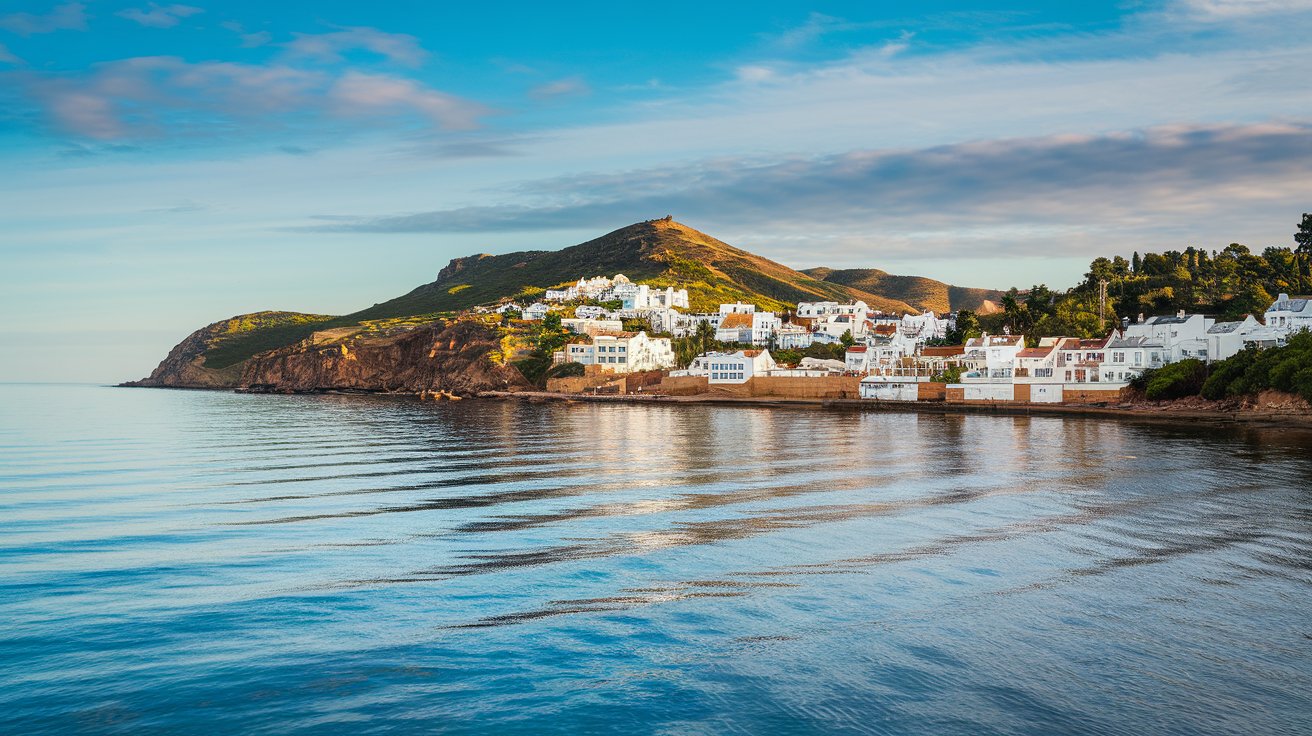
Javea (Xàbia in Valencian) is a picturesque coastal town located on Spain’s eastern Mediterranean coast in the Alicante province of the Valencian Community. Situated between Valencia and Alicante cities, this charming destination sits approximately 55 miles south of Valencia and 60 miles north of Alicante, nestled between the dramatic Montgó Massif and the azure Mediterranean Sea. For travelers from the United States planning a 2026 visit, understanding Javea’s precise location is essential for planning the perfect Costa Blanca getaway.
Where Is Javea Located on Spain’s Map
Javea occupies a strategic position on the northern Costa Blanca coastline, positioned at coordinates 38.7833°N, 0.1833°E. The town extends along approximately 15 miles of Mediterranean coastline, featuring a distinctive geography that includes rocky coves, sandy beaches, and dramatic cape formations. When examining a map of Spain, you’ll find Javea on the eastern coast, directly facing the Balearic Islands across the Mediterranean Sea.
The municipality covers approximately 68 square kilometers and is bordered by Dénia to the north, Benitachell to the south, and Gata de Gorgos to the west. This positioning places Javea within the Marina Alta comarca, a region renowned for its exceptional climate, dramatic coastal landscapes, and preserved natural environments. The town’s location between two major cities provides excellent accessibility while maintaining its charming, relaxed Mediterranean atmosphere that American visitors particularly appreciate.
Nearest Airports to Javea Spain
Alicante-Elche Airport (ALC) serves as the primary international gateway for visitors traveling to Javea, located approximately 60 miles (95 kilometers) south of the town. This major airport offers direct flights from numerous United States cities during 2026, including seasonal routes from New York, Miami, and Los Angeles, with typical flight times ranging from 9 to 12 hours depending on connections. The drive from Alicante Airport to Javea takes approximately 70-90 minutes via the AP-7 motorway and N-332 coastal road.
Valencia Airport (VLC) represents the second option, situated about 65 miles (105 kilometers) north of Javea. While slightly farther than Alicante, Valencia Airport frequently offers competitive flight prices and excellent connections through European hubs. American travelers typically connect through Madrid, Barcelona, or major European cities like London or Frankfurt. The journey from Valencia Airport to Javea takes approximately 80-100 minutes by car, offering scenic Mediterranean coastal views along the route.
Ground Transportation Options From Airports
Several transportation methods connect both airports to Javea for visitors arriving in 2026. Private transfer services range from $80-$150 USD depending on passenger numbers and vehicle type, offering door-to-door convenience with advance booking recommended during peak summer months. Car rental facilities at both airports provide flexibility for exploring the Costa Blanca region, with daily rates averaging $35-$65 USD for compact to mid-size vehicles during 2026.
Public bus services operate from Alicante Airport to Javea through ALSA company, requiring a connection in Benidorm or Calpe, with total journey times of approximately 2.5-3 hours and fares around $15-$20 USD. Taxi services from either airport cost approximately $120-$180 USD, though ride-sharing options have become increasingly available in the region, offering potential savings of 15-25% compared to traditional taxi services.
Distance From Major Spanish Cities
Understanding Javea’s position relative to major Spanish cities helps American travelers plan multi-destination itineraries. Madrid sits approximately 280 miles (450 kilometers) west of Javea, representing a 4-4.5 hour drive or a high-speed AVE train journey to Alicante followed by a one-hour transfer. Barcelona lies about 220 miles (355 kilometers) northeast, accessible via a scenic 3.5-4 hour coastal drive along the Mediterranean.
Regional cities offer closer connections: Valencia (55 miles/90 kilometers north, 60-75 minute drive), Alicante (60 miles/95 kilometers south, 70-90 minute drive), and Benidorm (35 miles/56 kilometers south, 40-50 minute drive). These proximity advantages make Javea an ideal base for exploring multiple Costa Blanca attractions while maintaining a peaceful Mediterranean retreat atmosphere that contrasts with busier tourist centers.
Understanding Javea’s Three Distinct Areas
Javea comprises three main zones, each offering distinct character and attractions. The historic center, known as Javea Old Town (Pueblo), sits approximately 1.5 miles inland from the coast, featuring Gothic architecture, sandstone buildings, and the iconic fortified church of San Bartolomé dating from the 14th century. This area showcases authentic Spanish culture with traditional markets, tapas bars, and narrow medieval streets largely unchanged for centuries.
The port area, Javea Port (Puerto), developed around the historic fishing harbor and now blends working maritime activities with modern restaurants, seafood establishments, and marina facilities. Located about one mile north of Arenal Beach, the port area attracts visitors seeking fresh seafood dining experiences and authentic fishing village atmosphere. The modern harbor accommodates both traditional fishing boats and contemporary pleasure craft, creating a vibrant waterfront scene throughout 2026.
Arenal Beach Area: Javea’s Tourist Hub
Playa del Arenal represents Javea’s main beach and primary tourist zone, featuring a 400-meter stretch of fine golden sand between two rocky headlands. This area concentrates the majority of tourist accommodations, international restaurants, beach clubs, and entertainment venues. The beachfront promenade undergoes continuous improvements, with 2026 seeing enhanced accessibility features and expanded pedestrian zones benefiting families and visitors with mobility considerations.
The Arenal neighborhood offers comprehensive visitor amenities including equipment rentals, lifeguard services during summer months (typically June through September), and Blue Flag certification confirming excellent water quality and environmental standards. American visitors appreciate the area’s walkability, with supermarkets, pharmacies, and medical services within easy reach. Summer 2026 sees average temperatures of 82-86°F (28-30°C), perfect for beach activities and water sports.
How the Three Areas Connect
Local bus services efficiently connect Javea’s three main areas throughout 2026, with routes operating every 20-30 minutes during peak season (June-September) and hourly during off-peak months. Single journey fares cost approximately €1.50 ($1.65 USD), with multi-journey cards offering savings for extended stays. The entire coastal route from Old Town through Port to Arenal takes approximately 15-20 minutes by bus.
Walking and cycling represent popular alternatives for connecting the areas, with dedicated paths and relatively flat terrain between Port and Arenal (approximately 1.5 miles). The Old Town sits on elevated ground, making the walk more challenging but rewarding with panoramic views. Bicycle rentals, including electric bikes perfect for the Old Town hills, cost $15-$25 USD daily, while taxi services between any two areas typically run $8-$12 USD during 2026.
Javea’s Geographic Features and Natural Landscape
The town’s most dominant geographic feature is Montgó Massif, a dramatic limestone mountain rising 2,539 feet (753 meters) directly behind Javea’s northern sections. This protected natural park creates a distinctive backdrop visible from throughout the town and significantly influences Javea’s exceptional microclimate. The mountain acts as a natural barrier against northern winds, contributing to the area’s designation as having one of the world’s best climates by the World Health Organization.
Javea’s coastline alternates between sandy beaches, rocky coves (calas), and dramatic cliff formations extending along its 15-mile Mediterranean frontage. The southern coast features the impressive Cabo de San Antonio, a protected marine reserve where the coastline meets the sea in spectacular cliff formations. This geographic diversity creates numerous microclimates and ecosystems, supporting over 650 plant species and making Javea a paradise for nature enthusiasts visiting in 2026.
Cape La Nao: Javea’s Eastern Point
Cabo de La Nao (Cape Nao) marks Javea’s easternmost point, projecting into the Mediterranean and creating one of Spain’s most photographed lighthouse locations. This dramatic headland offers 180-degree sea views and serves as an excellent vantage point for sunrise photography. The cape’s position creates unique maritime conditions, with waters meeting from different directions and creating distinctive wave patterns appreciated by experienced sailors.
The area surrounding La Nao features exclusive residential developments and some of Javea’s most prestigious properties, with clifftop villas commanding premium prices averaging $1.2-$3.5 million USD in 2026. The cape’s microclimate produces slightly cooler temperatures and increased breezes compared to protected bay areas, making it particularly pleasant during peak summer months. Walking trails connect the lighthouse area with several secluded coves below.
Climate Advantages of Javea’s Position
Javea’s specific geographic position creates a microclimate with exceptional characteristics: average annual temperature of 64°F (18°C), over 300 sunny days yearly, and minimal rainfall concentrated primarily in October and November. Winter temperatures rarely drop below 50°F (10°C), while summer highs typically peak at 86-90°F (30-32°C), moderated by consistent Mediterranean breezes that prevent the extreme heat experienced in inland Spanish regions.
The combination of Montgó’s protective influence and Mediterranean maritime conditions creates humidity levels averaging 65-70%, comfortable for most visitors and significantly lower than tropical destinations. 2026 climate data shows Javea experiences approximately 35 inches (900mm) annual rainfall, primarily during brief autumn storms that quickly clear. This climate reliability makes Javea particularly attractive for American retirees and seasonal visitors seeking consistent weather patterns for extended stays.
Why Javea’s Location Makes It Popular
Javea’s position offers strategic advantages that explain its growing popularity among international visitors, particularly from the United States, United Kingdom, and Northern Europe. The town’s location provides authentic Spanish coastal living while maintaining excellent accessibility to major transport hubs and urban amenities when needed. Unlike more commercialized Costa Blanca destinations like Benidorm, Javea’s geographic constraints between mountain and sea have naturally limited overdevelopment, preserving its character.
The area’s designation as a protected natural environment covers approximately 40% of municipal territory, ensuring preserved landscapes and preventing the excessive construction that affects other Mediterranean destinations. This protection, combined with Javea’s position within the Marina Alta region renowned for traditional agriculture and craft industries, maintains authentic Spanish culture alongside modern tourist amenities. American buyers particularly value this balance, with property searches for Javea houses for sale increasing 34% during 2025-2026 according to regional real estate data.
Exploring Javea’s Secret Coves and Coastal Treasures
Beyond the main Arenal Beach, Javea’s coastline conceals numerous small coves (calas) accessible via coastal paths, boat, or challenging cliff descents. These hidden beaches offer crystal-clear waters, snorkeling opportunities, and escape from summer crowds. The rocky coastline creates natural swimming pools and sheltered bathing areas perfect for families, with many coves featuring dramatic cliff backdrops and exceptional water clarity reaching 60-80 feet visibility during calm summer conditions.
Cala Blanca, Cala Sardinera, and Ambolo Beach represent the most accessible secret spots, each requiring 10-20 minute walks from roadside parking areas along the Cabo de La Nao route. These beaches typically lack facilities, so visitors should bring supplies, sun protection, and appropriate footwear for rocky terrain. Ambolo Beach holds particular appeal as Javea’s unofficial naturist beach, set in a protected cove with stunning natural beauty and popular with alternative lifestyle visitors during summer 2026.
Cala del Portixol: Javea’s Hidden Gem
Cala del Portixol stands out as arguably Javea’s most picturesque cove, featuring a distinctive natural rock island (Portixol Island) just offshore, connected by shallow waters wadeable during calm conditions. This small pebble beach extends only about 100 feet but offers exceptional snorkeling around the island’s base, where marine life includes octopus, sea bream, and occasional grouper in the protected waters.
Access requires a steep 10-minute descent via wooden steps and natural rock paths, limiting crowds even during peak August periods. The cove’s north-facing position provides afternoon shade from surrounding cliffs, making it comfortable for extended visits. No facilities exist at beach level, though a small seasonal refreshment kiosk operates at the clifftop parking area during summer months. The dramatic setting makes Portixol extremely popular for sunset photography, with the island silhouetted against evening light.
Mirador Viewpoints Along Javea’s Coast
Several designated mirador (viewpoint) locations along Javea’s coastal roads provide spectacular Mediterranean vistas and photo opportunities. Mirador de la Cruz del Portixol offers panoramic views across the northern coastline toward Dénia and the distant Valencia province mountains. This easily accessible viewpoint features information panels explaining geographic features and historic watchtower remains from the 16th-century defense system against Barbary pirates.
Mirador Cabo de San Antonio provides southward views across the marine reserve toward Calpe’s distinctive Peñón de Ifach rock formation, visible on clear days approximately 15 miles distant. The viewpoint includes interpretive signage about marine ecosystem protection and bird migration patterns, as the cape serves as a significant waypoint for species crossing between Europe and Africa. Spring and autumn migrations (March-May and September-October) offer opportunities to observe raptors and seabirds in significant numbers.
Javea Compared to Nearby Costa Blanca Destinations
Understanding Javea’s position relative to neighboring towns helps visitors appreciate its unique character within the Costa Blanca region. Unlike Benidorm (35 miles south), which embraces high-rise development and mass tourism, Javea maintains strict building height restrictions preserving its low-rise Mediterranean village atmosphere. The town’s population of approximately 27,000 residents swells to 100,000+ during peak summer weeks, yet the spread across three distinct areas and 15-mile coastline prevents the overcrowding experienced in more concentrated destinations.
Dénia, Javea’s northern neighbor, shares similar geographic advantages but attracts a slightly different visitor profile with its prominent ferry connections to Ibiza and Mallorca. Calpe to the south features the dramatic Peñón de Ifach landmark but experiences higher density development along its smaller coastal area. Javea’s position between these destinations, combined with superior coastal diversity and protected natural areas, creates a middle-ground appeal attracting visitors seeking authenticity without isolation, and amenities without overdevelopment.
Historical Significance of Javea’s Location
Javea’s strategic coastal position has influenced its development for over 2,000 years, with archaeological evidence confirming Iberian settlements dating to the 4th century BCE. Roman occupation left significant remains, including the nearby villa ruins at Portitxol and agricultural terracing still visible in surrounding hillsides. The town’s location made it vulnerable to maritime attacks, resulting in the fortified church construction and watchtower network visible along the coastline during 2026 explorations.
The historic fishing industry based at Javea’s natural harbor shaped local culture and cuisine, with traditional boat-building techniques and fishing methods still practiced alongside modern recreational maritime activities. The town’s position along Mediterranean trade routes brought prosperity during various historical periods, evidenced by Gothic and Renaissance architectural elements in the old town. This maritime heritage continues influencing Javea’s identity, with the annual Moors and Christians festival and maritime processions celebrating these historical connections throughout 2026.
Practical Information for US Travelers Planning Javea Visits
American visitors should note that Spain operates on Central European Time (CET), representing a 6-hour difference from US Eastern Time and 9 hours from Pacific Time. The Euro remains Spain’s currency, with 2026 exchange rates averaging approximately $1.10 USD per Euro, though rates fluctuate. Credit cards enjoy wide acceptance in Javea’s tourist areas, though smaller establishments in the old town may prefer cash, particularly for purchases under €20.
US citizens require no visa for Spanish visits under 90 days within any 180-day period for tourism purposes. Valid passport requirements mandate documents remain valid for at least three months beyond intended departure from the Schengen Area. Travel insurance strongly recommended covers medical emergencies, as US health insurance typically provides no coverage in Spain. English understanding has improved significantly in Javea’s tourist sectors, though learning basic Spanish phrases enhances experiences, particularly when exploring areas beyond the main tourist zones.
Best Times to Visit Javea From the United States
May through June and September through October represent optimal visiting periods for American travelers, offering warm Mediterranean weather (70-80°F/21-27°C), fewer crowds than peak July-August, and typically lower accommodation costs. These shoulder seasons provide comfortable conditions for outdoor activities, hiking Montgó, and exploring coastal paths without excessive heat. Sea temperatures reach 72-77°F (22-25°C), comfortable for extended swimming and water sports.
Winter visits (November-March) attract increasing numbers seeking mild climate escapes from harsh North American winters, with daytime temperatures averaging 57-64°F (14-18°C) and significantly reduced accommodation costs, sometimes 40-60% below summer rates. While some seasonal restaurants close during winter months, sufficient establishments remain open serving local and international cuisine. Winter precipitation concentrates in November and February, though rainy days typically feature brief showers rather than all-day downpours, with plenty of sunny intervals for outdoor enjoyment.
Understanding Javea Spain Pronunciation
Americans frequently mispronounce Javea’s name, which correctly sounds like “HA-vay-ah” with emphasis on the second syllable. The Spanish ‘J’ produces a guttural ‘H’ sound similar to the ‘ch’ in Scottish ‘loch.’ The Valencian name Xàbia uses different pronunciation: “SHA-bee-ah,” with the ‘X’ creating a ‘sh’ sound and accent marking stress on the first syllable.
Both names remain officially recognized and appear interchangeably on road signs, maps, and official documents throughout the region. Local Spanish speakers predominantly use Javea, while Valencian language proponents and official regional communications increasingly employ Xàbia, reflecting the autonomous community’s linguistic heritage. Understanding both versions helps when asking directions or searching online resources, as different sources may use either variant when referencing this popular Costa Blanca destination.
Related video about where is javea in spain
This video complements the article information with a practical visual demonstration.
Most asked questions about where is javea in spain
Is Javea a good holiday destination for American tourists?
Javea represents an excellent holiday destination for American tourists seeking authentic Spanish Mediterranean experiences without overwhelming crowds. The town offers diverse attractions including 15 miles of varied coastline, historic architecture, exceptional dining featuring fresh seafood and traditional cuisine, and protected natural environments for hiking and outdoor activities. The area’s microclimate provides over 300 sunny days annually, while English language prevalence in tourist sectors eases communication concerns. Javea particularly appeals to travelers seeking relaxation, cultural immersion, and natural beauty rather than intense nightlife or theme park entertainment found in other Costa Blanca destinations.
Where do you fly to for Javea, Spain from the United States?
American travelers typically fly into Alicante-Elche Airport (ALC), located 60 miles south of Javea, which offers the closest major international airport with seasonal direct flights from select US cities and excellent connections through European hubs. Valencia Airport (VLC), positioned 65 miles north, represents a viable alternative often featuring competitive pricing and good connections through Madrid, Barcelona, or major European cities. Both airports provide approximately 70-100 minute ground transfers to Javea via rental car, private transfer, or public transportation. Most US travelers connect through major European hubs like London, Frankfurt, or Madrid, with total journey times from East Coast cities averaging 12-15 hours including connections.
Why is Javea so popular among international residents?
Javea’s popularity stems from its exceptional combination of authentic Spanish character, outstanding climate, protected natural beauty, and modern amenities. The town’s geographic position creates a microclimate considered among the world’s best, with mild winters and comfortable summers moderated by Mediterranean breezes. Strict development controls have preserved low-rise architecture and prevented overdevelopment affecting other coastal areas, while natural park protection covers 40% of municipal territory. The established international community, particularly strong British and German populations, provides support networks for newcomers while maintaining Spanish cultural authenticity. Property values remain more accessible than equivalent coastal areas in France or Italy, attracting retirees and remote workers seeking Mediterranean lifestyle quality.
Is Javea, Spain expensive compared to other European destinations?
Javea costs fall in the moderate-to-upper range for Spanish destinations but remain significantly more affordable than comparable French or Italian Mediterranean locations. Restaurant meals average $15-$25 USD per person for quality dining, while grocery costs run approximately 15-20% lower than US prices for most items. Accommodation varies considerably by season and location, with summer rentals averaging $100-$250 USD nightly for quality apartments, while winter rates drop 40-60%. Property purchase prices have increased substantially, averaging $2,500-$4,500 USD per square meter in desirable coastal locations during 2026, though still below equivalent French Riviera or Italian Amalfi Coast areas. Overall, budget-conscious travelers can enjoy Javea affordably, while luxury options exist for those seeking premium experiences.
What is the best beach area to stay in Javea?
Arenal Beach area represents the best choice for first-time visitors and those seeking convenient access to amenities, featuring Javea’s only sandy beach, concentrated restaurants and bars, and straightforward walkability to supermarkets and services. Families particularly benefit from Arenal’s lifeguarded beach, shallow water entry, and nearby playgrounds and facilities. The Port area suits visitors preferring authentic fishing village atmosphere, excellent seafood restaurants, and marina views, though it lacks a proper beach. Old Town accommodation appeals to those prioritizing Spanish culture, historic architecture, and lower costs, accepting the 1.5-mile distance from beaches. Property rentals near Cabo de La Nao provide exclusive, peaceful settings with spectacular views but require vehicles for beach and amenity access.
How many days should I spend in Javea?
A minimum 4-5 day stay allows adequate time to experience Javea’s diverse offerings without rushing, including beach relaxation, old town exploration, coastal hiking, and day trips to nearby attractions. Week-long visits enable deeper immersion, experiencing multiple beaches and coves, hiking Montgó, enjoying varied restaurants, and potentially visiting neighboring towns like Dénia, Calpe, or inland villages. Many visitors, particularly retirees and remote workers, extend stays to 2-4 weeks or longer, appreciating Javea’s relaxed pace and comfortable climate. The town offers sufficient variety and nearby excursion options to prevent boredom during extended stays, while maintaining the peaceful atmosphere that distinguishes it from more frenetic tourist destinations along the Costa Blanca.
| Location Aspect | Specific Details | Traveler Benefit |
|---|---|---|
| Geographic Position | Northern Costa Blanca, Alicante Province, between Valencia (55 mi) and Alicante (60 mi) | Easy access to two major airports and multiple regional attractions |
| Nearest Airport | Alicante-Elche (60 mi/70-90 min) or Valencia (65 mi/80-100 min) | Multiple flight options and competitive pricing from US cities |
| Climate Zone | Mediterranean microclimate: 300+ sunny days, 64°F avg annual temp | Year-round comfortable conditions for outdoor activities |
| Coastal Features | 15 miles of coastline with sandy beaches, rocky coves, and cliff formations | Diverse beach experiences from family-friendly to secluded natural settings |
| Town Layout | Three distinct areas: Historic Old Town, Working Port, Tourist Arenal Beach | Options for authentic culture, maritime atmosphere, or resort amenities |
| Protected Areas | 40% of municipality under environmental protection including Montgó Natural Park | Preserved natural beauty and limited overdevelopment |