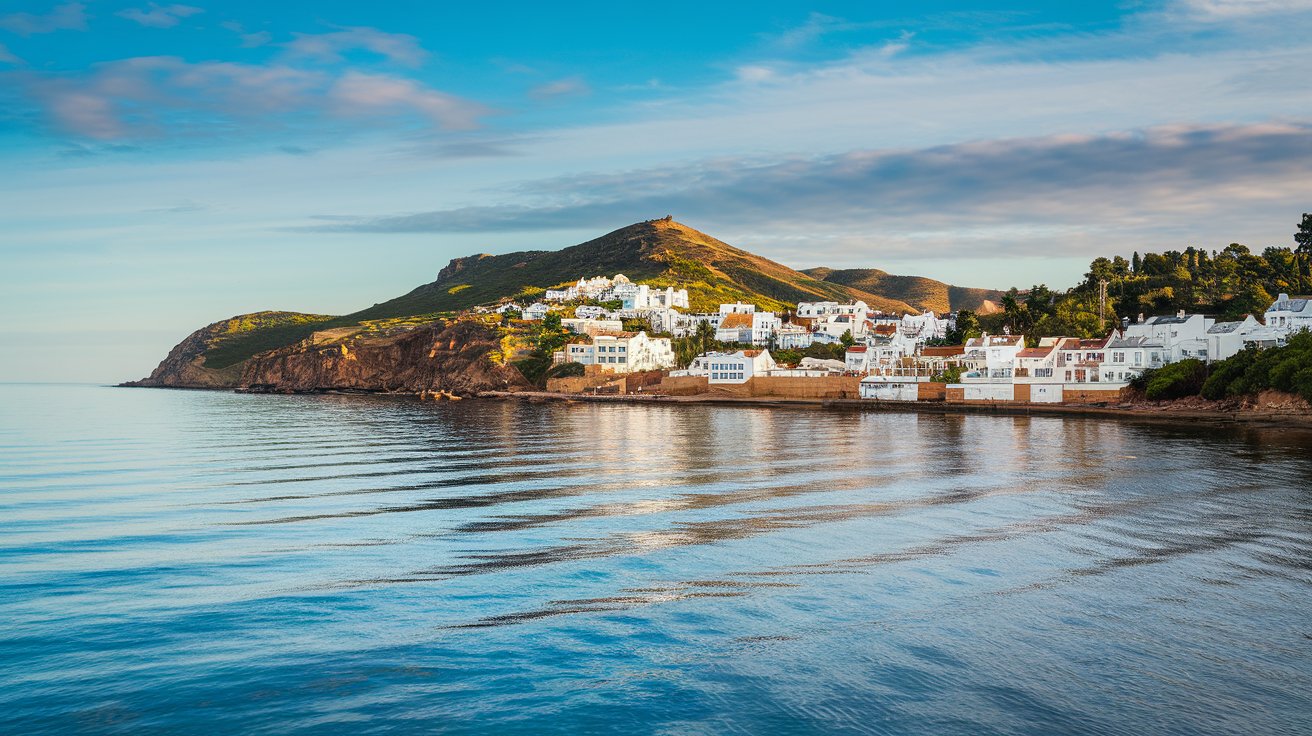
Yes, Benidorm is definitively located in Costa Blanca, one of Spain’s most celebrated Mediterranean coastlines. This vibrant resort city sits in the heart of the Costa Blanca region within the province of Alicante, Valencia Community. For American travelers planning their 2026 European vacation, understanding Benidorm’s precise location helps optimize your Spanish coastal adventure. This comprehensive guide answers every geographical question about Benidorm’s position on Costa Blanca, providing essential details for your trip planning.
Where Exactly Is Benidorm Located on Costa Blanca?
Benidorm is positioned in the northern section of Costa Blanca, approximately 50 kilometers northeast of Alicante city. The resort town occupies a prime Mediterranean waterfront location at coordinates 38.5386° N, 0.1312° W. Costa Blanca, meaning “White Coast” in Spanish, stretches for approximately 200 kilometers along Spain’s southeastern shore, and Benidorm represents one of its most iconic destinations. The city benefits from exceptional positioning between two natural headlands, creating protected beaches with consistently calm waters.
The Costa Blanca region encompasses the entire coastal area of Alicante province, extending from Denia in the north to Pilar de la Horadada in the south. Benidorm sits roughly at the midpoint of this expansive coastline, making it an ideal base for exploring neighboring Costa Blanca towns. The city’s elevation ranges from sea level to approximately 100 meters at its highest inland points, with the historic old town perched on a promontory between Levante and Poniente beaches. This strategic location has made Benidorm the most visited destination on Costa Blanca since the 1960s.
Is Benidorm Classed as Costa Blanca?
Absolutely, Benidorm is officially classified as part of Costa Blanca by Spanish tourism authorities and geographical designations. The Costa Blanca tourism region was formally established in the 1950s to promote Alicante province’s coastal areas, and Benidorm has been its flagship destination since that classification began. The city appears in all official Costa Blanca marketing materials, regional tourism boards, and geographical surveys as a core component of this Mediterranean coastal zone.
The classification carries both geographical and administrative significance for travelers. Costa Blanca isn’t merely a tourism marketing term—it represents the actual coastline of Alicante province within the Valencia Community autonomous region. Every municipality along this Alicante coastline, including Benidorm, Altea, Calpe, and Villajoyosa, falls under the Costa Blanca designation. For American visitors booking accommodations or tours, any package labeled “Costa Blanca” legitimately includes Benidorm and its surrounding areas. The city’s population of approximately 70,000 permanent residents swells to over 400,000 during peak summer months, making it the most populous resort on Costa Blanca.
Which Costa Is Benidorm On?
Benidorm is exclusively on Costa Blanca, not to be confused with other Spanish “costas” like Costa del Sol, Costa Brava, or Costa Dorada. Spain’s Mediterranean and Atlantic coastlines are divided into distinct “costa” regions, each with unique characteristics. Costa Blanca specifically refers to Alicante province’s coastline, where Benidorm serves as the primary tourist hub. This distinction matters significantly for American travelers, as each costa offers different climates, cultures, and tourism experiences.
The confusion sometimes arises because Spain features eight major costa regions, and travel marketing occasionally blurs these boundaries. Costa Blanca extends exclusively along the Valencia Community’s Alicante province shoreline, characterized by white sandy beaches, limestone cliffs, and consistently warm Mediterranean climate. Benidorm’s location on Costa Blanca provides distinct advantages including 300+ days of sunshine annually, average summer temperatures of 82°F (28°C), and mild winters averaging 61°F (16°C). Unlike Costa del Sol further south or Costa Brava to the north, Costa Blanca’s central position offers balanced weather without excessive summer heat or winter chill.
Understanding Benidorm’s Position Within Spain
Benidorm sits on mainland Spain’s eastern Mediterranean coast, within the autonomous community of Valencia (Comunidad Valenciana). The city is not on any Spanish island—it occupies a continental position approximately 450 kilometers southeast of Madrid and 175 kilometers south of Valencia city. This mainland location provides excellent connectivity to Spain’s transportation networks, unlike island destinations that require ferry or air connections. The city’s coordinates place it firmly within the European continent, facing eastward toward the Mediterranean Sea.
Within the Valencia Community’s three-province structure, Benidorm belongs to Alicante province (Provincia de Alicante), the southernmost of the three. The Valencia Community comprises Valencia, Castellón, and Alicante provinces, with Benidorm positioned in Alicante’s Marina Baixa comarca (county). This administrative structure means that while Benidorm is often associated with Alicante city, it maintains its own municipal identity. The resort town covers approximately 38.5 square kilometers of coastal and inland territory, with the Mediterranean Sea forming its entire eastern boundary. For American visitors, understanding this mainland position clarifies that Benidorm enjoys direct highway and rail access from major Spanish cities.
Is Benidorm in Alicante Province?
Yes, Benidorm is located within Alicante province (Provincia de Alicante/Alacant), making it subject to Alicante’s provincial governance while maintaining municipal autonomy. The city lies approximately 50 kilometers by road from Alicante city, the provincial capital. This provincial connection influences everything from regional tourism coordination to transportation infrastructure. Alicante province encompasses 141 municipalities, and Benidorm ranks among its most economically significant due to tourism revenue generation estimated at over 1.5 billion euros annually as of 2026.
The provincial relationship provides practical benefits for travelers. Alicante-Elche Airport serves as Benidorm’s primary air gateway, with the airport-to-resort journey taking approximately 45-60 minutes via the AP-7 motorway or N-332 coastal road. The province’s integrated public transportation system, including the TRAM Metropolitano de Alicante light rail, connects Benidorm to Alicante city and surrounding Costa Blanca communities. Sharing Alicante province designation means Benidorm benefits from regional tourism initiatives, cultural programs, and infrastructure investments. American visitors often combine Benidorm beach holidays with day trips to Alicante city’s historic Explanada de España promenade and medieval Santa Bárbara Castle, easily accomplished within the same provincial transportation network.
What’s the Nearest Airport to Benidorm?
Alicante-Elche Airport (ALC) is the nearest major airport to Benidorm, located approximately 60 kilometers south of the resort. This international airport handled over 15 million passengers in 2025 and serves as the primary gateway for Costa Blanca tourism. Flight connections from the United States typically require one European stopover, with popular routing through London, Paris, Amsterdam, or Madrid. Major carriers including British Airways, Iberia, and various European airlines provide connecting service, with total journey times from US East Coast cities averaging 12-14 hours including layovers.
The airport offers multiple ground transportation options to Benidorm. Private shuttle services operate year-round with prices ranging from €25-40 per person for shared transfers. Rental cars provide flexibility for exploring Costa Blanca, with rates starting around €150-200 weekly in 2026. Public bus service via Alsa operates direct routes from the airport to Benidorm bus station, with journey times of approximately 70 minutes and fares around €10-12. Taxi services charge fixed rates of approximately €75-95 depending on specific Benidorm destination. For American travelers, pre-booking airport transfers ensures smooth arrival, particularly during July-August peak season when demand intensifies. Valencia Airport, located 140 kilometers north, serves as an alternative gateway though with longer transfer times to Benidorm.
Does Benidorm Have Its Own Airport?
No, Benidorm does not have its own commercial airport. The city’s mountainous terrain and dense urban development make airport construction impractical and environmentally unfeasible. Instead, Benidorm relies entirely on Alicante-Elche Airport for air connectivity, a model that has successfully served the resort for over 50 years. The approximately 60-kilometer distance between airport and resort is considered optimal, allowing efficient passenger distribution while protecting Benidorm’s beachfront environment from aircraft noise and pollution.
Historical proposals for a dedicated Costa Blanca North airport near Villajoyosa have been discussed but never materialized due to environmental concerns and questionable economic viability. The existing arrangement works efficiently, with Alicante-Elche Airport offering superior international connectivity than any standalone Benidorm facility could achieve. The airport features modern terminals with full amenities including car rentals, currency exchange, restaurants, and tourist information services specifically oriented toward Costa Blanca visitors. Ground transportation infrastructure has been optimized over decades to move millions of annual visitors between airport and resort seamlessly. For American tourists, this centralized airport model actually simplifies logistics compared to smaller regional airports with limited services and flight options.
Nearby Costa Blanca Destinations to Benidorm
Benidorm’s central Costa Blanca position provides excellent access to diverse neighboring destinations within 30-minute drives. These surrounding communities offer contrasting experiences from Benidorm’s high-rise resort atmosphere, allowing visitors to explore traditional Spanish culture alongside modern tourism amenities.
Altea – The Artistic White Village
Altea sits just 10 kilometers north of Benidorm, accessible via coastal roads in approximately 15-20 minutes. This picturesque town features whitewashed buildings, cobblestone streets, and the distinctive blue-domed church of Nuestra Señora del Consuelo crowning its hilltop old quarter. Altea’s artistic community attracts painters, sculptors, and craftspeople, creating a bohemian atmosphere with numerous galleries and artisan shops. The pebble beach and yacht-filled marina provide Mediterranean charm without Benidorm’s density. American visitors appreciate Altea’s authentic Spanish character, making it ideal for leisurely lunch excursions and sunset photography. The town’s population of approximately 22,000 swells moderately during summer, maintaining a relaxed ambiance year-round.
Villajoyosa – The Chocolate Town
Located 10 kilometers south of Benidorm, Villajoyosa (La Vila Joiosa) is famous for colorful fishermen’s houses lining its waterfront and prestigious chocolate manufacturing heritage. The town hosts the Valor Chocolate Museum, celebrating its centuries-old confectionery tradition with factory tours and tasting experiences. Villajoyosa’s beaches offer calmer alternatives to Benidorm’s busier shores, while the historic center preserves authentic Spanish architecture. The July Moors and Christians festival ranks among Costa Blanca’s most spectacular cultural events, featuring elaborate costumes, mock battles, and traditional music. This working town of 35,000 residents provides insight into local life beyond tourism, with morning fish markets and traditional tapas bars frequented by locals rather than tourists.
Calpe – The Rock Landmark
Calpe lies 25 kilometers northeast of Benidorm, dominated by the iconic Peñón de Ifach, a 332-meter limestone rock formation jutting into the Mediterranean. This natural monument is now a protected nature reserve with hiking trails offering panoramic Costa Blanca views. Calpe combines modern resort development with significant historical sites including Roman fish salting factories and medieval fortifications. The town’s population of 30,000 includes substantial international resident communities, creating multicultural dining and entertainment scenes. Sandy beaches flank both sides of the Peñón, providing excellent swimming conditions. American visitors enjoy Calpe’s balance between natural beauty and tourist infrastructure, with the drive from Benidorm offering stunning coastal scenery along the entire route.
What Part of Spain Is Benidorm Located In?
Benidorm occupies Spain’s southeastern Mediterranean coast within the autonomous community of Valencia (Comunitat Valenciana). This places the resort in Spain’s eastern region, approximately at the nation’s midpoint between France to the north and Gibraltar to the south. The Valencia Community represents one of Spain’s 17 autonomous regions, each with distinct cultural identity, governance structure, and historical heritage. Benidorm’s specific location within this community provides unique cultural characteristics including Valencian language coexistence with Spanish, regional cuisine featuring paella variations, and architectural traditions distinct from Andalusian or Catalan styles.
Geographically, Benidorm sits in Spain’s warmest and driest climate zone, benefiting from Mediterranean climate classification (Köppen climate classification Csa). The city’s latitude of 38.5° North places it roughly parallel to San Francisco, California, though Mediterranean influences create substantially different weather patterns. Mountain ranges including Sierra Helada and Puig Campana rise immediately inland from Benidorm, providing dramatic backdrops and protecting the coast from harsh northern winds. This topography contributes to Benidorm’s microclimate advantages, with annual rainfall averaging only 300mm concentrated primarily in autumn months. The combination of latitude, coastal position, and mountain protection creates ideal resort conditions that have driven Benidorm’s transformation from fishing village to international tourism destination over the past 70 years.
What Is the Nicest Part of Costa Blanca?
Determining the “nicest” Costa Blanca area depends entirely on traveler preferences, but several locations consistently rank highest among visitors. Altea frequently tops lists for its artistic atmosphere, whitewashed architecture, and authentic Spanish character without overwhelming tourism development. Javea (Xàbia) attracts affluent visitors seeking upscale amenities, pristine coves, and low-density development. The historic city of Alicante offers urban sophistication with cultural attractions, shopping, and nightlife beyond beach tourism. Meanwhile, smaller villages like Moraira and Guadalest provide traditional Spanish experiences with stunning natural settings.
Benidorm itself represents a unique category—not “nicest” in traditional terms, but unmatched for comprehensive resort amenities, entertainment variety, and service infrastructure. The city offers more hotel rooms than any European resort outside major cities, with accommodations ranging from budget hostels to five-star beachfront properties. Benidorm’s concentration of theme parks, including Terra Mítica, Aqualandia, and Mundomar, makes it unrivaled for family entertainment on Costa Blanca. The resort’s walkability, with pedestrian-friendly avenues connecting beaches to restaurants and attractions, provides convenience especially valued by American visitors. While discerning travelers might prefer Altea’s charm or Javea’s exclusivity for romantic getaways, families and groups consistently find Benidorm offers the most complete Costa Blanca experience in a single destination, with easy access to surrounding areas for day trip variety.
What Is Benidorm Famous For?
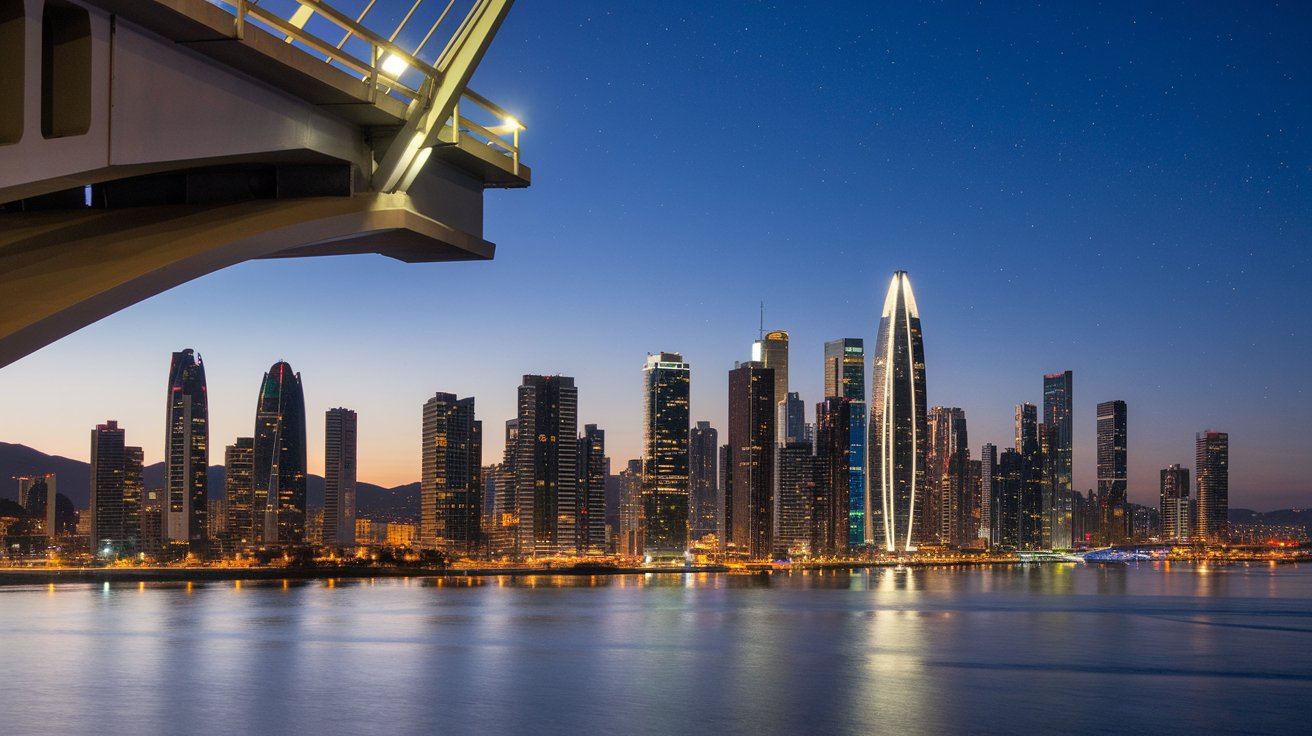
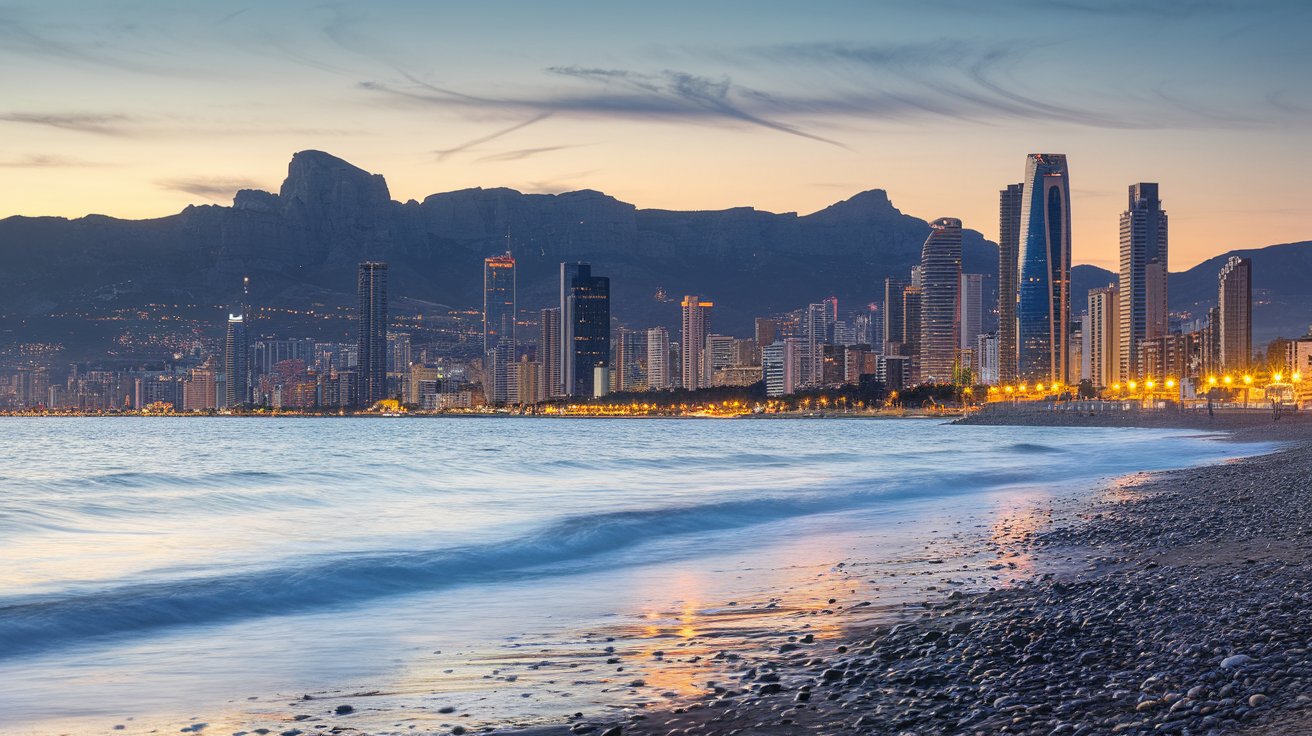
Benidorm gained international fame as Europe’s original high-rise beach resort, pioneering vertical tourism development in the 1960s that transformed Mediterranean vacation patterns. The city’s distinctive skyline, featuring over 300 high-rise buildings including numerous structures exceeding 100 meters, creates a “Manhattan of the Mediterranean” appearance visible for kilometers. This architectural legacy stems from visionary 1950s mayor Pedro Zaragoza, who championed vertical construction to maximize beachfront access while preserving surrounding landscapes—a revolutionary concept that attracted both praise and controversy.
Beyond architecture, Benidorm is renowned for exceptional beach quality. Levante Beach and Poniente Beach consistently earn Blue Flag certifications for water quality, safety, and environmental management. These beaches provide 2.5 kilometers of fine golden sand with gentle slopes ideal for families. The city’s entertainment reputation extends from summer beach clubs to year-round performing arts at the Benidorm Palace, which offers Vegas-style dinner shows. Benidorm also pioneered British package tourism to Spain, creating infrastructure that now welcomes visitors from 90+ nations. The resort’s compact design allows visitors to walk between accommodations, beaches, restaurants, and entertainment without vehicles—a feature particularly appreciated by American tourists accustomed to car-dependent destinations. Theme park concentration, with multiple major parks within 10 kilometers, further distinguishes Benidorm as a comprehensive vacation destination rather than simple beach resort.
Benidorm Population and Demographics in 2026
Benidorm’s official population registers approximately 70,000 permanent residents as of 2026 municipal census data, though this figure dramatically understates the city’s true daily population. During peak summer months (July-August), the actual population swells to 400,000-450,000 people, including tourists occupying hotels, apartments, and vacation rentals. This extraordinary ratio of visitors to residents represents one of Europe’s highest tourism densities, fundamentally shaping the city’s economy and infrastructure.
The permanent resident composition reflects significant international diversity. Approximately 30% of registered residents hold non-Spanish nationality, with substantial British, German, Belgian, and Dutch communities. The American expatriate community remains relatively small, estimated at fewer than 500 permanent residents, though US tourist arrivals have increased 15% annually since 2024 according to Costa Blanca tourism board statistics. Age demographics skew older than Spanish averages, with approximately 25% of permanent residents over 65 years, reflecting Benidorm’s popularity as a retirement destination for European expatriates. The working-age population concentrates in hospitality and service sectors, with tourism-related employment accounting for approximately 80% of local jobs. Seasonal employment fluctuates dramatically, with summer staff numbers tripling compared to winter months. This demographic structure creates unique urban dynamics where permanent residents constitute a minority in their own city during peak tourism periods, yet benefit from tourism-driven prosperity and infrastructure that serves populations five times larger.
Related video about is benidorm in costa blanca
This video complements the article information with a practical visual demonstration.
Key Questions and Answers
Is Benidorm classed as Costa Blanca?
Yes, Benidorm is officially classified as part of Costa Blanca. The city sits in the heart of the Costa Blanca region within Alicante province, approximately 50 kilometers northeast of Alicante city. Costa Blanca, meaning “White Coast,” encompasses the entire Mediterranean coastline of Alicante province, and Benidorm has been its flagship tourism destination since the 1950s when Spanish authorities established the Costa Blanca designation for regional promotion. All official tourism materials, geographical surveys, and administrative classifications include Benidorm as a core Costa Blanca destination.
Which part of Spain is Benidorm in?
Benidorm is located in southeastern Spain on the Mediterranean coast, specifically within the autonomous community of Valencia (Comunitat Valenciana) in Alicante province. The city sits approximately 450 kilometers southeast of Madrid and 175 kilometers south of Valencia city. This position places Benidorm on Spain’s mainland eastern coast, not on any island. The resort benefits from Mediterranean climate conditions with over 300 days of annual sunshine, protected by inland mountain ranges including Sierra Helada. Benidorm’s coordinates are 38.5386° N, 0.1312° W, facing eastward toward the Mediterranean Sea.
What country is Benidorm in?
Benidorm is located in Spain, specifically on the southeastern Mediterranean coast of mainland Spain. The city is not in any other European country despite occasional confusion. Benidorm sits within the Kingdom of Spain (Reino de España), in the autonomous community of Valencia, which is one of Spain’s 17 regional governments. The resort has been part of Spain throughout its history, originally developing as a small fishing village before transforming into an international tourism destination beginning in the 1950s. For American travelers, Benidorm requires the same entry requirements as visiting any other Spanish destination.
Is Benidorm in Valencia or Alicante?
Benidorm is in Alicante province, which itself is part of the larger Valencia autonomous community. This creates some confusion, but the distinction matters: Valencia Community (Comunitat Valenciana) is the autonomous region comprising three provinces—Castellón, Valencia, and Alicante. Benidorm specifically falls within Alicante province, the southernmost of these three. The city is located approximately 140 kilometers south of Valencia city and 50 kilometers north of Alicante city. When people refer to “Valencia,” they might mean either the autonomous community (which includes Benidorm) or Valencia city specifically (which does not). Benidorm’s provincial capital is Alicante city, where regional administrative matters are handled.
What is the nearest airport to Benidorm?
Alicante-Elche Airport (ALC) is the nearest major airport to Benidorm, located approximately 60 kilometers south of the resort. This international airport handled over 15 million passengers in 2025 and serves as the primary gateway for Costa Blanca tourism. Ground transportation options include private shuttle services (€25-40 per person), rental cars (from €150-200 weekly), direct public buses via Alsa (approximately 70 minutes, €10-12), and taxis (fixed rates €75-95). Flight connections from the United States typically require one European stopover, with popular routing through London, Paris, Amsterdam, or Madrid. Valencia Airport, located 140 kilometers north, serves as an alternative but less convenient gateway.
What is Benidorm famous for?
Benidorm is famous for being Europe’s original high-rise beach resort, featuring over 300 tall buildings that create a distinctive “Manhattan of the Mediterranean” skyline. The city pioneered vertical tourism development in the 1960s under Mayor Pedro Zaragoza’s vision. Benidorm is also renowned for exceptional beach quality with Blue Flag-certified Levante and Poniente beaches totaling 2.5 kilometers of golden sand. The resort is famous for comprehensive entertainment including theme parks (Terra Mítica, Aqualandia, Mundomar), Vegas-style dinner shows at Benidorm Palace, and year-round tourism infrastructure. The city’s compact, walkable design and concentration of over 30,000 hotel rooms make it Europe’s most complete self-contained beach resort destination.
| Key Aspect | Important Details | Travel Benefit |
|---|---|---|
| Location | Costa Blanca, Alicante Province, 50km from Alicante city | Central position for exploring entire Costa Blanca coastline |
| Nearest Airport | Alicante-Elche Airport (60km, 45-60 minutes) | Major international hub with excellent US connections via European hubs |
| Climate | Mediterranean with 300+ sunshine days, 28°C summer average | Year-round vacation suitability with consistent warm weather |
| Beach Quality | 2.5km Blue Flag beaches (Levante & Poniente) | Safe, clean, family-friendly swimming with excellent facilities |
| Nearby Towns | Altea (10km), Villajoyosa (10km), Calpe (25km) | Easy day trips to authentic Spanish villages and alternative beaches |
| Population Capacity | 70,000 residents, 400,000+ peak season capacity | Comprehensive tourism infrastructure with extensive services |