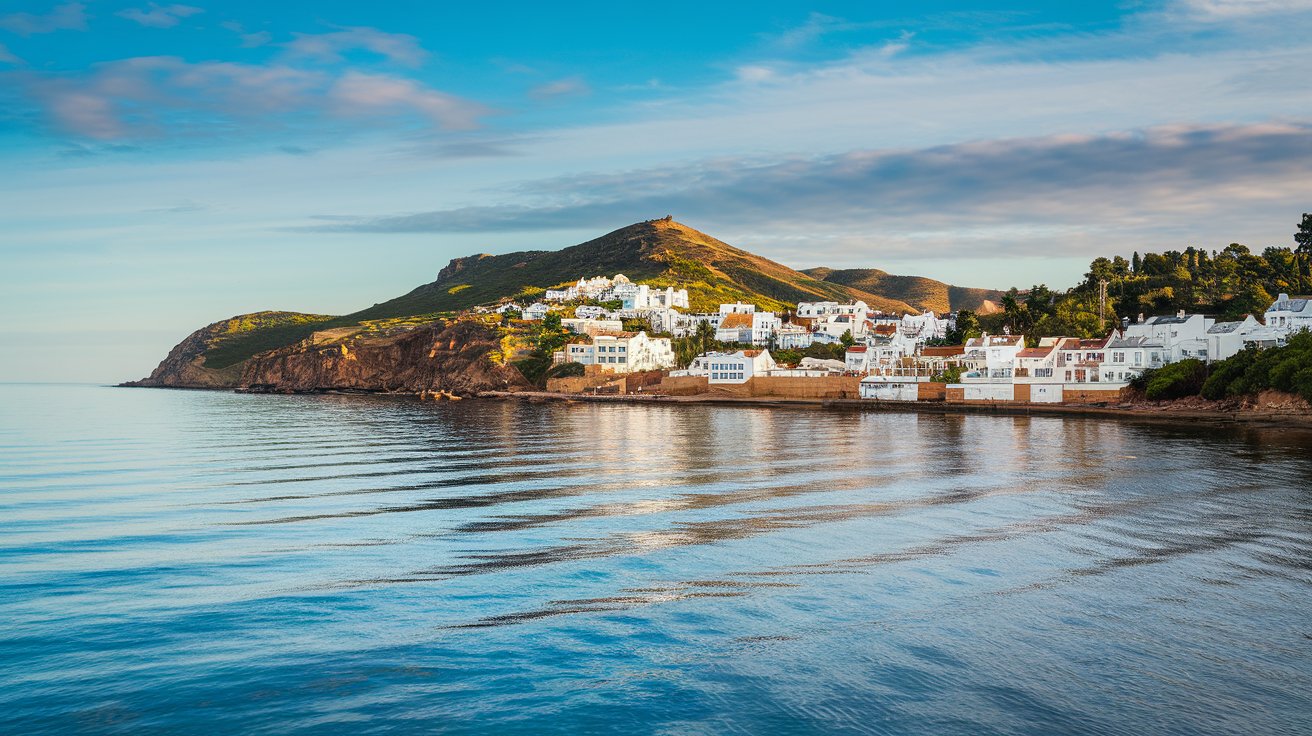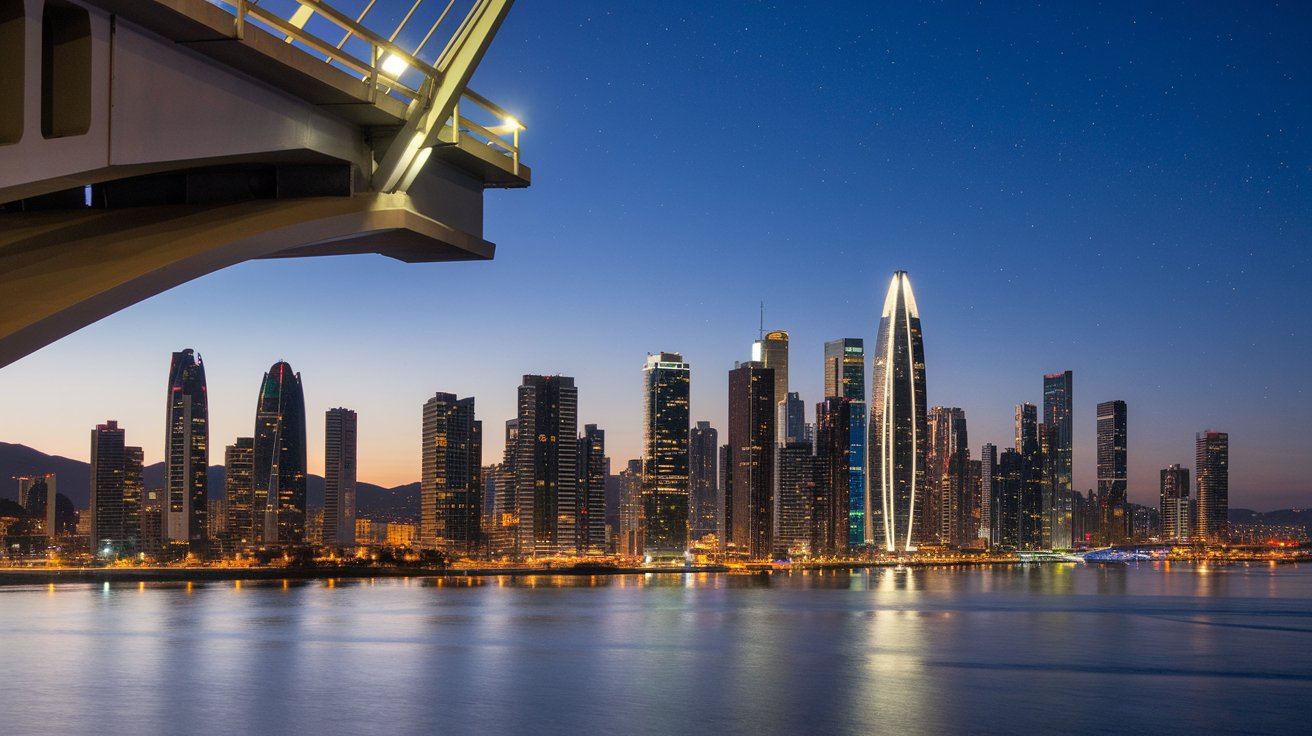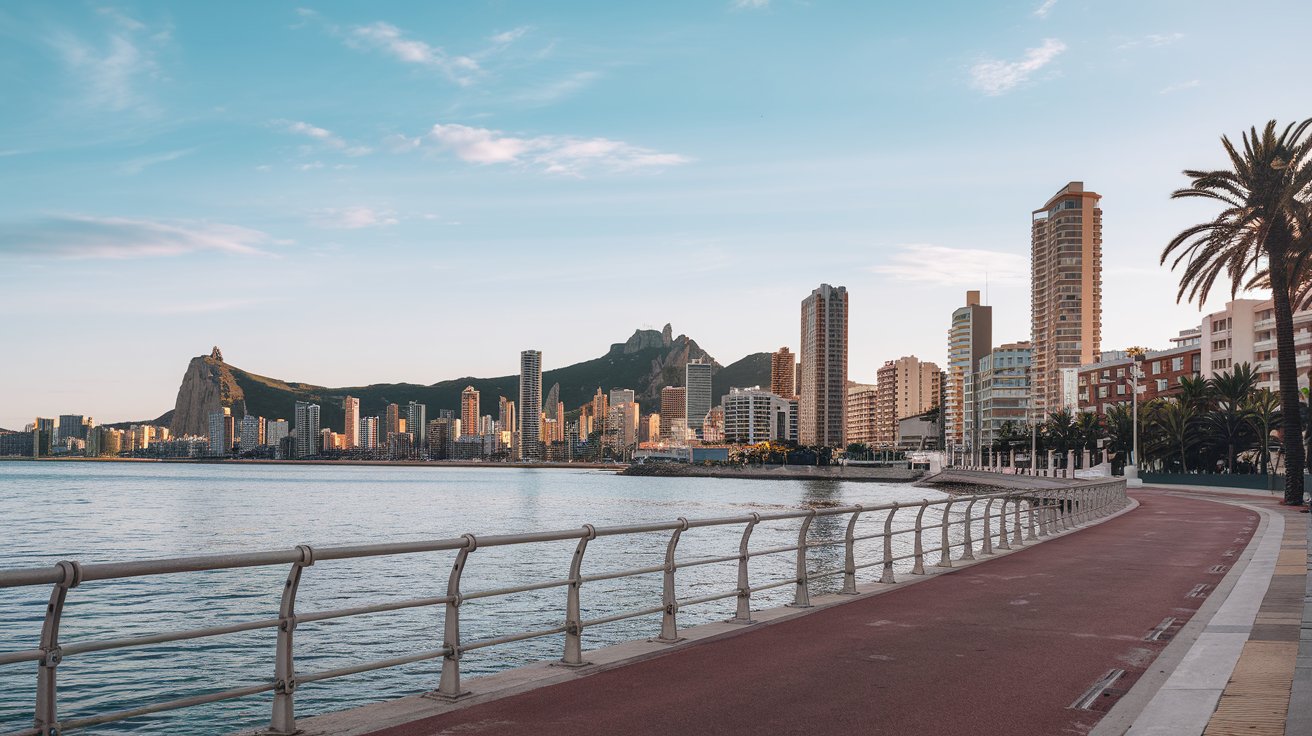
Benidorm is officially classified as a city in the province of Alicante, within the autonomous community of Valencia, Spain. With a permanent population exceeding 67,000 residents as of 2026 and swelling to over 400,000 during peak tourist season, Benidorm earned its city status decades ago. Located on Spain’s Costa Blanca, this Mediterranean destination combines urban infrastructure with resort amenities, making it one of Europe’s most visited coastal cities by American travelers seeking Spanish sunshine.
Official Classification: City Status and Administrative Structure
Benidorm received official city status from the Spanish government in 1952, transitioning from its historical designation as a small fishing village and town. The municipal government operates under the city council system with a mayor and elected representatives managing urban planning, tourism development, and public services. As of 2026, Benidorm functions as an independent municipality within the Alicante province, maintaining full administrative autonomy while coordinating with regional Valencia authorities.
The city covers approximately 38.5 square kilometers of coastal and inland territory, featuring distinct urban zones including the Old Town historic quarter, the modern hotel district, and residential neighborhoods. With proper city infrastructure including municipal police, fire departments, public transportation networks, and comprehensive urban services, Benidorm operates identically to other Spanish cities like Valencia or Alicante. The population density reaches 1,740 residents per square kilometer during off-season, demonstrating genuine urban characteristics beyond mere tourist resort classification.
Geographic Location: Where Exactly Is Benidorm?
Benidorm is located in the province of Alicante, positioned along Spain’s southeastern Mediterranean coastline in the autonomous community of Valencia. American travelers often ask whether Benidorm falls within Valencia proper, and while the city belongs to the Valencian Community administratively, it sits 140 kilometers south of Valencia city and just 42 kilometers northeast of Alicante city. This strategic Mediterranean position places Benidorm at the heart of the Costa Blanca, Spain’s famous White Coast tourism corridor.
The city occupies a natural bay protected by rocky outcrops at coordinates 38.5383°N, 0.1310°W, creating the calm waters that historically attracted fishing communities and now draw millions of beach visitors annually. Benidorm lies directly across the Mediterranean from Algeria, approximately 250 kilometers north-northwest across open water. For United States travelers, the nearest major airport is Alicante-Elche Airport, located 60 kilometers south with direct seasonal flights from New York, Miami, and major European connection hubs throughout 2026.
Population Statistics and Demographics
The official population of Benidorm stands at 67,627 residents according to 2026 Spanish census data, ranking it as the sixth-largest municipality in the Alicante province. However, this permanent resident figure dramatically understates the actual daily population, as Benidorm’s tourism capacity exceeds 400,000 visitors during summer peak periods from June through September. The city boasts approximately 150,000 hotel beds and vacation rental accommodations, creating one of Europe’s highest tourist-to-resident ratios.
Demographically, Benidorm exhibits unique multinational characteristics with approximately 28% of permanent residents originating from outside Spain as of 2026. British expatriates constitute the largest foreign community at roughly 9,000 residents, followed by significant populations from Germany, Netherlands, and increasing numbers from Morocco and Romania. American permanent residents number approximately 340 individuals, though thousands of United States tourists visit annually. The median age skews older at 47 years, influenced by substantial retirement communities attracted to Mediterranean climate and excellent healthcare infrastructure.
Urban Development and City Infrastructure
Benidorm’s distinctive skyline features over 300 high-rise buildings, creating Europe’s highest concentration of skyscrapers outside major capital cities. The city’s vertical urban development began in the 1960s under innovative urban planning that prioritized sustainable density and green space preservation. This architectural approach allowed Benidorm to accommodate massive tourist numbers while maintaining beach access and environmental standards that earned multiple Blue Flag certifications for water quality in 2026.
Modern city infrastructure includes comprehensive public transportation networks with municipal bus routes connecting all neighborhoods, residential zones, and beach areas at 15-minute intervals. The city operates 24-hour emergency services, multiple health centers, and the modern Benidorm Hospital serving both residents and tourists. Educational infrastructure includes primary schools, secondary institutions, and several private international schools catering to expatriate families. The fiber optic telecommunications network covers 98% of the city, providing connectivity standards matching major Spanish urban centers and supporting remote workers and digital nomads increasingly choosing Benidorm as a base in 2026.
Is Benidorm a Nice City to Visit or Live?
Benidorm ranks as one of Spain’s most visited destinations with approximately 5.2 million overnight stays recorded in 2025, attracting diverse demographics from party-seeking youth to retiree communities. American travelers often question whether Benidorm qualifies as a “nice” destination given its reputation for mass tourism. The reality presents a multifaceted city offering distinct experiences depending on location choice, with the bustling Levante Beach entertainment district contrasting sharply with the quieter Poniente Beach residential areas and charming Old Town historic quarter.
Quality of life indicators position Benidorm favorably with 300+ days of sunshine annually, average temperatures ranging from 12°C (54°F) in January to 28°C (82°F) in August, and exceptional air quality despite urban density. The city maintains low crime rates compared to similarly sized Spanish municipalities, with tourist-focused police presence ensuring visitor safety. Cost of living remains approximately 35% lower than major United States coastal cities, with monthly expenses for retirees averaging €1,400-€1,800 including housing, healthcare, and entertainment as of 2026. Restaurant diversity spans from traditional Spanish tapas to international cuisines including dedicated American-style eateries.
Historical Evolution from Village to Modern City
Benidorm’s transformation from obscure fishing village to international city occurred primarily during the 1950s-1970s tourism boom. Historical records document human settlement dating to 3000 BCE, with Iberian, Roman, and Moorish periods leaving archaeological traces. However, Benidorm remained a small coastal town of fewer than 3,000 inhabitants until Mayor Pedro Zaragoza Orts implemented revolutionary urban development plans in 1956, legalizing bikinis, promoting international tourism, and establishing building codes that created the modern city skyline.
The city officially surpassed town classification thresholds in population and infrastructure during the 1960s, though formal city status recognition occurred earlier in 1952. By 1970, permanent population exceeded 15,000 with seasonal populations reaching 100,000, establishing Benidorm as Spain’s premier package holiday destination. The 1990s and 2000s brought modernization initiatives improving environmental standards, pedestrianizing central areas, and diversifying beyond purely beach-based tourism. Recent 2020s developments focus on sustainable tourism models, smart city technology implementation, and cultural programming attracting year-round visitors rather than seasonal crowds.
Comparison with Similar Mediterranean Cities
Understanding whether Benidorm qualifies as a small or large city requires Mediterranean context comparison. With 67,627 residents, Benidorm exceeds Spanish cities like Ronda (33,000) or Marbella (147,000 when considering pure residential population), yet remains smaller than provincial capitals like Alicante (337,000) or regional metropolises like Valencia (800,000+). The city’s functional population during tourism season, however, places it among Spain’s most densely populated urban areas, rivaling major cities in daily activity and infrastructure demands.
Architecturally, Benidorm resembles Miami Beach or Honolulu more than traditional Spanish cities, with high-rise concentrations and beach-oriented development patterns familiar to American visitors. The often-referenced “Benidorm of Italy” comparison refers to Rimini on Italy’s Adriatic coast, sharing similar mass tourism characteristics and beach resort infrastructure. The “Benidorm of Scotland” colloquially describes Blackpool, though climate differences make this comparison primarily relevant to tourism volume rather than urban character. Unlike these comparisons, Benidorm maintains authentic Spanish cultural elements in its Old Town quarter, traditional festivals like Las Fallas, and genuine residential communities beyond tourist zones.
Economic Profile and Employment Sectors
The Benidorm economy generates approximately €3.2 billion annually in direct and indirect tourism revenue as of 2026, with hospitality services employing 68% of the city’s workforce. This tourism-dominated economic structure creates seasonal employment fluctuations, with peak summer season generating 35,000+ jobs compared to 22,000 positions during winter months. However, increasing year-round tourism, retirement community growth, and remote worker influx have stabilized employment patterns, reducing seasonal variability that characterized previous decades.
Beyond tourism, construction and real estate sectors employ 12% of workers, driven by continuous residential development for retirement communities and vacation property investment, including growing American buyer interest in 2026. Healthcare services represent an expanding sector with medical tourism and elder care facilities attracting international patients seeking quality treatment at costs 50-70% below United States pricing. Technology and remote work sectors show rapid growth as fiber optic infrastructure and quality-of-life factors attract digital nomads, with coworking spaces increasing from 3 facilities in 2020 to 14 dedicated locations by 2026.
Environmental Initiatives and Sustainability
Benidorm implemented carbon offset programs beginning in 2015, planting over 1,800 trees through 2026 to compensate for promotional activities and tourism-related emissions. The city earned multiple environmental certifications including ISO 14001 environmental management standards and Biosphere Responsible Tourism certification, recognizing sustainable practices in waste management, water conservation, and energy efficiency across municipal operations and participating hotels.
Beach management programs maintain five Blue Flag beaches with daily cleaning, water quality monitoring, and marine ecosystem protection measures. The city achieved a 42% recycling rate in 2025, above the Spanish national average, through comprehensive separation systems and public education campaigns. Transportation sustainability initiatives include electric bus fleet expansion, with 60% of municipal buses operating on electric or hybrid systems as of 2026, bicycle lane network expansion totaling 32 kilometers, and pedestrian priority zones throughout central districts reducing vehicle dependency for residents and visitors.
Cultural Attractions and Entertainment Options
Benidorm offers cultural programming beyond beach tourism, with the Julio Iglesias Auditorium hosting international performances, the Benidorm Palace presenting Las Vegas-style dinner shows, and multiple theaters screening films in English, German, and Spanish. The Old Town Balcón del Mediterráneo viewpoint provides panoramic Mediterranean vistas and connects to narrow streets featuring traditional restaurants, ceramics shops, and historic church architecture dating to the 18th century.
Annual events include the Benidorm International Song Festival held since 1959, attracting Spanish-language music artists and averaging 4,000 attendees. The November Patron Saint Festivities celebrate Saint James and Our Lady of Suffrages with processions, fireworks, and traditional Valencian activities. Theme parks within 10 kilometers include Terra Mítica focusing on ancient Mediterranean civilizations, Aqualandia water park, and Mundomar marine animal park, collectively drawing 1.5 million visitors annually. The Benidorm Island natural reserve, accessible by boat, offers protected marine environments, diving opportunities, and peacock colonies in a traffic-free setting 3.5 kilometers offshore.
Transportation Connections and Accessibility
Alicante-Elche Airport serves as Benidorm’s primary international gateway, located 60 kilometers south with connecting bus services departing every 30 minutes during peak season and hourly during winter months. Ground transportation takes 50-65 minutes via AP-7 motorway or N-332 coastal highway, with private transfer costs averaging €35-45 and shared shuttle services priced at €12-18 per person in 2026. Valencia Airport provides alternative access 145 kilometers north, though Alicante offers superior frequency for international connections.
Within the city, efficient bus networks operate 20 routes connecting all neighborhoods, beaches, and attractions with single-ride tickets costing €1.50 and unlimited monthly passes available for €37. Tram connections link Benidorm to Alicante via the TRAM Metropolitano de Alicante narrow-gauge railway, providing scenic coastal journey alternatives to highway routes. For United States travelers, car rental facilities operate throughout the city with major international brands represented, though many visitors find vehicle ownership unnecessary given comprehensive public transportation and compact walkable zones, particularly in Poniente Beach and Old Town districts.
Related video about is benidorm a city
This video complements the article information with a practical visual demonstration.
Key Questions and Answers
Is Benidorm officially classified as a city or a town?
Benidorm holds official city status granted by Spanish authorities in 1952, despite originating as a small fishing village. With a permanent population exceeding 67,000 residents in 2026 and comprehensive urban infrastructure including municipal government, emergency services, public transportation networks, and administrative autonomy, Benidorm functions as a fully established Spanish city. The municipality operates independently within Alicante province, maintaining all governmental structures and public services characteristic of Spanish urban centers rather than smaller towns.
What country is Benidorm located in and where exactly?
Benidorm is located in Spain, specifically within the Alicante province of the Valencian Community autonomous region. The city sits on Spain’s southeastern Mediterranean coast along the Costa Blanca, positioned 140 kilometers south of Valencia city and 42 kilometers northeast of Alicante city. For American travelers, Benidorm occupies a prime Mediterranean coastal location accessible via Alicante-Elche Airport, which maintains seasonal direct connections to United States departure cities and year-round European hub connections throughout 2026.
What is the current population of Benidorm?
The official population of Benidorm registers at 67,627 permanent residents according to 2026 Spanish census data, making it the sixth-largest municipality in Alicante province. However, the functional population expands dramatically during tourism season, reaching 400,000+ daily occupants during peak summer months of June through September. Approximately 28% of permanent residents originate from foreign countries, with significant British, German, and Dutch expatriate communities alongside growing populations from Morocco, Romania, and approximately 340 American permanent residents as of 2026.
Is Benidorm a nice city for American tourists to visit?
Benidorm offers excellent value and amenities for American tourists seeking Mediterranean beach destinations with modern infrastructure and English-language accessibility. The city provides 300+ annual sunshine days, Blue Flag certified beaches, diverse dining options including American-style restaurants, and costs approximately 40-50% lower than comparable United States coastal destinations. Quality varies by district, with Poniente Beach offering quieter residential atmosphere, Levante Beach featuring active nightlife, and Old Town providing authentic Spanish cultural experiences. Safety standards remain high with dedicated tourist police, comprehensive healthcare facilities, and infrastructure matching major Spanish cities rather than typical beach resort towns.
How does Benidorm compare in size to other Spanish cities?
Benidorm qualifies as a medium-sized Spanish city with 67,627 permanent residents, exceeding smaller cities like Ronda or resort towns like Marbella’s residential population, yet remaining smaller than provincial capitals such as Alicante (337,000) or regional metropolises like Valencia (800,000+). The city’s functional size during tourism season, however, rivals major urban centers in daily population density and infrastructure demands. With 300+ high-rise buildings creating Europe’s most concentrated coastal skyline outside capital cities, Benidorm demonstrates urban characteristics and service capacity typically associated with significantly larger Spanish municipalities.
What makes Benidorm different from traditional Spanish towns?
Benidorm differs from traditional Spanish towns through its distinctive high-rise architecture, international tourism focus, and multinational resident composition rather than primarily Spanish demographics. The city developed through deliberate 1950s-1960s urban planning prioritizing vertical construction and mass tourism accommodation, creating skyline density resembling Miami Beach more than typical Spanish coastal settlements. However, Benidorm maintains authentic Spanish cultural elements in its Old Town historic quarter, celebrates traditional Valencian festivals, and operates under standard Spanish municipal governance. This combination creates a unique hybrid of international resort city and genuine Spanish urban center unavailable in either purely traditional towns or purely tourist-oriented resort developments.
| Key Aspect | Important Details | Why It Matters |
|---|---|---|
| Official Status | City classification since 1952, independent municipality in Alicante province | Full urban services and infrastructure for residents and visitors |
| Population | 67,627 permanent residents, 400,000+ during peak season | Genuine city characteristics beyond resort-only destinations |
| Location | Alicante province, Valencian Community, Costa Blanca Mediterranean coast | Prime Spanish coastal position with excellent airport connectivity |
| Urban Development | 300+ high-rise buildings, comprehensive public transportation, modern infrastructure | European unique vertical density preserving beach access and green spaces |
| Climate & Quality | 300+ sunshine days, Blue Flag beaches, costs 35% below US coastal cities | Year-round appeal for tourists, retirees, and remote workers |
| 2026 Sustainability | 1,800+ trees planted, 60% electric bus fleet, 42% recycling rate | Environmental leadership among Mediterranean tourism cities |