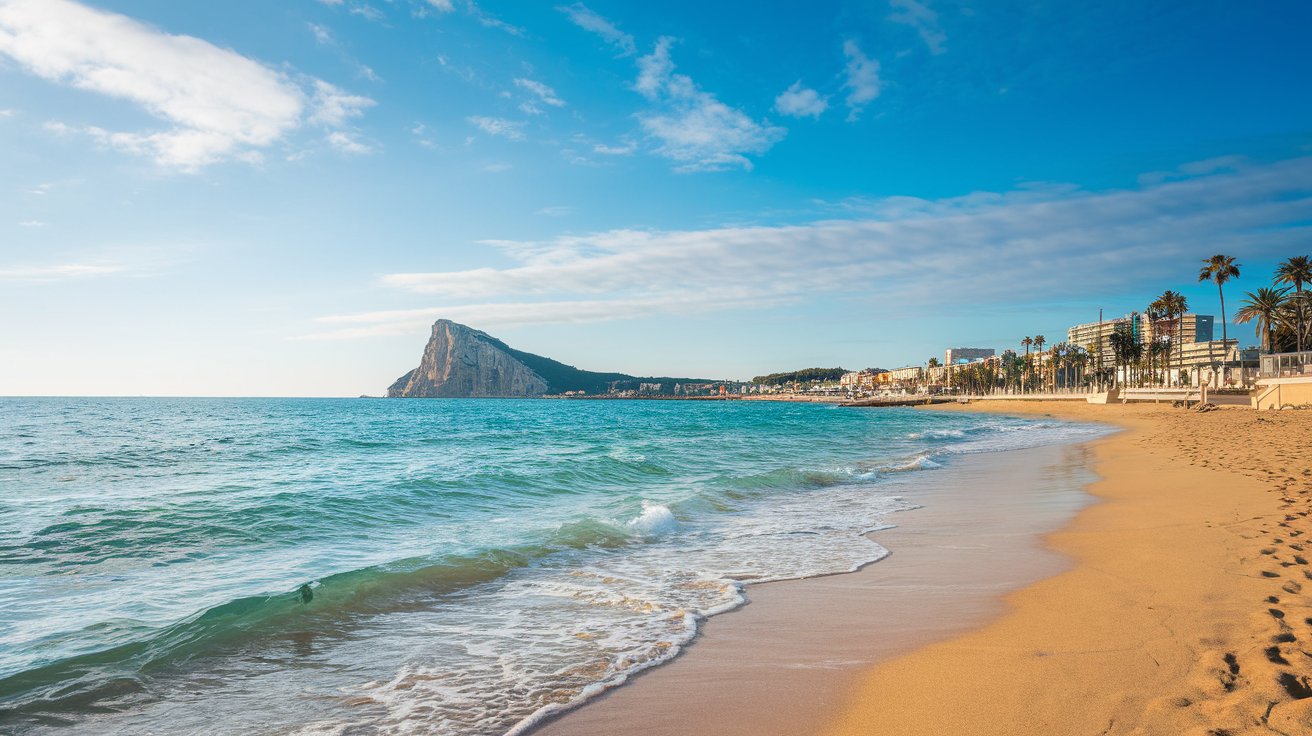
The weather in Costa Blanca features over 300 sunny days annually with mild winters and warm summers, making Spain’s eastern Mediterranean coast ideal year-round. Located along Spain’s southeastern shores, this region enjoys average temperatures ranging from 52°F in winter to 86°F in summer. Understanding Costa Blanca’s climate patterns helps travelers from the United States plan activities, pack appropriately, and choose optimal travel dates for beach visits, golf outings, or cultural exploration throughout 2026.
Costa Blanca Weather Overview and Climate Characteristics
The Costa Blanca climate follows a Mediterranean subtropical pattern characterized by hot, dry summers and mild, relatively wet winters. This 200-kilometer coastal stretch from Dénia to Pilar de la Horadada benefits from mountain protection against northern winds, creating microclimates with minimal temperature variation. Average annual temperatures hover around 64°F, with humidity levels remaining comfortable at 60-70% throughout most months. The region receives approximately 300-320 days of sunshine annually, making it one of Europe’s sunniest destinations. Rainfall in Costa Blanca concentrates between October and March, totaling just 12-16 inches annually, significantly lower than northern European regions and comparable to Southern California’s climate patterns familiar to American travelers.
The Mediterranean Sea moderates coastal temperatures in Costa Blanca, preventing extreme heat or cold. Inland areas like Elche experience slightly greater temperature fluctuations, with summer highs reaching 95°F and winter lows occasionally dropping to 40°F. Coastal cities including Alicante, Benidorm, and Torrevieja maintain more stable temperatures year-round. Sea breezes provide natural cooling during summer months, while the Levante wind from the east occasionally brings moisture and cooler temperatures. Understanding these weather patterns in Costa Blanca enables visitors to select accommodations and plan activities matching their temperature preferences and seasonal interests throughout 2026.
Costa Blanca Weather by Month: Complete Seasonal Breakdown
Understanding monthly weather variations in Costa Blanca enables strategic trip planning throughout 2026. Each season offers distinct advantages for different traveler preferences, from beach enthusiasts to cultural explorers seeking comfortable sightseeing conditions without summer crowds.
Winter Weather in Costa Blanca: December Through February
The weather in Costa Blanca in December ranges from 48°F to 62°F, with approximately 6 hours of daily sunshine and occasional rainfall averaging 1.4 inches monthly. December marks the beginning of the coolest period, though temperatures remain mild compared to northern United States winters. January weather in Costa Blanca represents the coldest month, with temperatures between 46°F and 60°F, though sunny days frequently reach comfortable 64-68°F highs. Sea temperatures drop to 59°F, making swimming less appealing but creating ideal conditions for coastal walks, golf, cycling, and exploring historic towns without summer heat. February signals winter’s end with temperatures rising to 48-63°F and increasing sunshine hours reaching 7 daily. These winter months attract European retirees and American snowbirds seeking mild Mediterranean winters, with accommodation rates 30-40% lower than peak summer prices. Packing layers including light jackets, long-sleeved shirts, and comfortable walking shoes accommodates temperature fluctuations between morning coolness and afternoon warmth during Costa Blanca winter months.
Spring Weather in Costa Blanca: March Through May
Spring brings ideal weather conditions in Costa Blanca with March temperatures ranging from 50°F to 67°F and rainfall decreasing significantly. April weather in Costa Blanca showcases the region’s appeal with temperatures between 54°F and 71°F, 8 hours of daily sunshine, and blooming orange and almond blossoms creating fragrant landscapes. April represents optimal visiting time for Americans seeking comfortable sightseeing temperatures without summer heat or crowds. May transitions toward summer with temperatures climbing to 59-77°F and sea temperatures reaching swimmable 64°F. Spring rainfall averages just 1 inch monthly, ensuring outdoor activities proceed without weather disruptions. These months offer perfect conditions for hiking in nearby Sierra de Aitana mountains, exploring medieval castles, visiting markets in Altea or Jávea, and enjoying outdoor dining on pleasant evenings. The Costa Blanca climate in spring attracts nature enthusiasts and photographers capturing wildflower displays and coastal vistas under crystal-clear Mediterranean skies with visibility extending 20-30 miles.
Summer Weather in Costa Blanca: June Through August
Summer delivers hot weather in Costa Blanca with June temperatures ranging from 66°F to 84°F, marking the beginning of peak tourist season. July and August represent the hottest months, with average highs reaching 88-90°F and occasional heat waves pushing temperatures to 95-100°F inland. Coastal areas benefit from sea breezes maintaining more comfortable 82-86°F temperatures. Sea temperatures peak at 77-79°F, creating perfect swimming conditions. Rainfall becomes virtually nonexistent with less than 0.4 inches monthly, and sunshine extends to 11-12 hours daily. These summer months in Costa Blanca attract beach-focused travelers, families on school vacation, and festival enthusiasts enjoying events like Alicante’s Hogueras de San Juan bonfire celebrations in June and numerous coastal fiestas. The intense heat requires sun protection, hydration, and midday breaks, with locals traditionally enjoying siestas during 2-5 PM peak heat hours. Evening temperatures remain pleasant at 72-75°F, perfect for beachfront dining, promenade strolls, and outdoor entertainment continuing past midnight in popular destinations like Benidorm.
Autumn Weather in Costa Blanca: September Through November
Autumn provides excellent weather conditions in Costa Blanca with September maintaining summer warmth at 68-84°F while crowds diminish after August. Sea temperatures remain warm at 75°F through September, enabling extended beach season enjoyment. October brings comfortable 60-75°F temperatures ideal for golf, tennis, cycling, and cultural activities without summer heat stress. November weather in Costa Blanca transitions toward winter with temperatures dropping to 52-67°F, though sunny days remain frequent with 6-7 hours of daily sunshine. Autumn rainfall increases slightly to 1.5-2 inches monthly, occasionally featuring brief intense Mediterranean storms called ‘gota fría’ bringing dramatic cloud formations and temporary flooding in susceptible areas. These months attract active travelers, retirees avoiding summer prices, and Americans seeking shoulder-season value with accommodation rates 25-35% lower than July-August peaks. The mild autumn climate in Costa Blanca supports outdoor pursuits including hiking, mountain biking in Terra Mítica surroundings, and exploring inland wine regions around Jumilla and Yecla producing robust Mediterranean varietals.
How Hot Is Costa Blanca Now: Current Weather Patterns in 2026
Current temperature conditions in Costa Blanca vary significantly depending on the specific month within 2026. Real-time weather data shows typical seasonal patterns holding steady, with winter months (January-February 2026) experiencing mild 46-62°F ranges, spring months (March-May) warming to comfortable 50-77°F, summer peaks (June-August) reaching 84-90°F, and autumn (September-November) cooling to pleasant 52-84°F temperatures. Coastal locations including Alicante, Benidorm, Calpe, and Torrevieja consistently register 2-4°F cooler than inland cities during summer due to Mediterranean maritime influence. Checking 10-day weather forecasts for Costa Blanca before travel enables appropriate packing and activity planning, with reliable forecast accuracy typically extending 5-7 days. Weather stations positioned throughout the region provide precise microclimatic data accessible through Spanish meteorological services (AEMET) and international weather platforms. Americans visiting in 2026 find conditions generally matching expectations for Mediterranean subtropical climates, with temperature reliability exceeding 85% for seasonal norms throughout the year.
The warmest place in Spain frequently varies between Andalusian locations like Seville and southeastern Costa Blanca cities, with temperatures within 2-5°F of each other during peak summer. Alicante and surrounding Costa Blanca areas rank consistently among Spain’s hottest regions, particularly during July-August when inland valleys reach 95-100°F. However, coastal positioning moderates extremes compared to interior Andalusian cities. Real-time temperature monitoring shows Costa Blanca weather maintaining remarkable consistency year-over-year, with 2026 patterns following established climatological norms. Travelers checking tomorrow’s forecast find high accuracy within 1-2°F for next-day temperatures, enabling confident daily planning for beach outings, mountain excursions, or city exploration throughout their Costa Blanca visit.
Costa Blanca Weather Forecast: 10-Day and 30-Day Planning
Planning with 10-day weather forecasts for Costa Blanca provides reliable guidance for upcoming trips, with meteorological accuracy typically exceeding 75% for temperature predictions and 60% for precipitation forecasts at this range. Modern forecasting technology incorporating satellite data, atmospheric modeling, and Mediterranean-specific weather patterns enables travelers to anticipate conditions with reasonable confidence. The 14-day Costa Blanca forecast extends planning horizons while accepting slightly reduced accuracy to approximately 65% for detailed predictions, though general trend forecasting (warmer, cooler, wetter, drier) remains valuable for packing decisions and activity reservations. These medium-range forecasts prove particularly useful for Americans planning golf tournaments, cycling events, hiking excursions, or special occasions requiring specific weather conditions during their 2026 Costa Blanca visit.
Extended 30-day weather forecasts for Costa Blanca provide seasonal trend insights rather than day-specific accuracy, helping travelers understand likely conditions for month-long stays or return visit planning throughout 2026. These long-range forecasts indicate temperature patterns, rainfall probability, and seasonal anomalies like unusually warm winters or cooler summers affecting Mediterranean regions. Climate prediction models for 2026 suggest continued warming trends with slightly elevated average temperatures (0.5-1°F increase) compared to historical 20th-century baselines, though daily weather variations remain within normal Mediterranean parameters. Accessing tomorrow’s weather in Costa Blanca through reliable meteorological sources including Spanish AEMET, Weather.com, or AccuWeather provides next-day precision for immediate planning needs. Combining short-term, medium-range, and long-term weather information creates comprehensive understanding enabling optimal timing decisions for Costa Blanca activities, from beach days requiring sunshine to museum visits during occasional rainy periods.
Is Costa Blanca Hot All Year: Temperature Consistency Analysis
The question ‘is Costa Blanca hot all year‘ requires nuanced understanding of ‘hot’ definitions relative to different origin climates. For Americans from northern states, Costa Blanca temperatures feel pleasantly warm even during winter months when 60-65°F sunny days enable outdoor activities impossible in snowy home regions. However, Costa Blanca winters aren’t truly ‘hot’ by absolute standards, with nighttime temperatures occasionally dropping to 45-50°F requiring light jackets and sweaters. The region maintains warm weather year-round in Costa Blanca compared to most European and northern American destinations, with no freezing temperatures along the coast and snow extremely rare except in surrounding mountains above 3,000 feet elevation.
Summer months deliver genuinely hot temperatures in Costa Blanca by any definition, with July-August afternoon heat reaching 88-92°F regularly and occasionally spiking to 95-100°F during heat waves. These intense summer conditions match or exceed temperatures in southern United States cities like Phoenix or Miami, requiring similar heat management strategies including midday shade breaks, constant hydration, and sun protection. Spring (April-May) and autumn (September-October) provide ideal middle-ground temperatures at 70-80°F satisfying most travelers’ comfort preferences without extreme heat or cool conditions. The coldest month in Costa Blanca remains January with average lows at 46°F and highs at 60°F, significantly milder than most United States locations at similar latitude. This temperature consistency throughout 2026 enables year-round tourism, outdoor sports, and comfortable living conditions attracting permanent American expatriates and seasonal visitors seeking reliable Mediterranean climate advantages.
Best Time to Visit Costa Blanca Based on Weather Preferences
Determining the best time to visit Costa Blanca depends on individual weather preferences, activity priorities, and budget considerations throughout 2026. Beach enthusiasts seeking hot, sunny conditions with warm swimming temperatures find July-August ideal despite higher accommodation costs and larger crowds. These peak summer months guarantee 11-12 hours of daily sunshine, sea temperatures at 77-79°F, and minimal rainfall risk, though temperatures reaching 88-92°F may challenge heat-sensitive travelers. Americans seeking summer Mediterranean experiences comparable to Caribbean or Florida beach vacations find Costa Blanca delivers similar conditions with European cultural advantages including excellent cuisine, historic sites, and sophisticated coastal towns exceeding typical resort destinations.
Travelers prioritizing comfortable sightseeing temperatures, outdoor activities, and value pricing find April-May and September-October optimal for Costa Blanca visits. These shoulder months provide 70-80°F temperatures perfect for golf, cycling, hiking, wine touring, and cultural exploration without summer heat exhaustion or winter coolness. Sea temperatures remain swimmable in September-early October at 73-75°F, extending beach season beyond summer while avoiding July-August crowds. Accommodation rates drop 25-40% compared to peak summer, and popular attractions including Guadalest Castle, Tabarca Island, and Terra Mítica theme park operate with shorter wait times. Winter visitors (December-February) enjoy the mildest European climate with 60-65°F sunny days enabling outdoor pursuits impossible in northern United States locations, though sea swimming requires tolerance for 59-61°F temperatures. Understanding these seasonal weather advantages in Costa Blanca enables strategic trip timing matching specific preferences throughout 2026.
Costa Blanca Microclimates: Regional Weather Variations
The Costa Blanca region features distinct microclimates creating weather variations within relatively short distances throughout 2026. Northern Costa Blanca areas including Dénia, Jávea, and Calpe experience slightly more rainfall (16-18 inches annually) than southern sections around Torrevieja and Orihuela Costa (12-14 inches annually), though all areas remain significantly drier than northern European regions. The Marina Alta region near Dénia benefits from mountain protection creating particularly stable weather with minimal temperature extremes, attracting retirees seeking consistent year-round comfort. Central Costa Blanca locations including Alicante, Benidorm, and Villajoyosa represent the region’s climatological heart, with weather patterns closely matching regional averages and excellent balance between beach proximity and urban amenities.
Inland valleys and mountain areas demonstrate greater temperature variation in Costa Blanca’s interior, with summer highs occasionally reaching 95-100°F while winter nights drop to 40-45°F. Cities like Elche, located 15 miles inland, experience 3-5°F warmer summers and slightly cooler winters than coastal Alicante. These interior locations offer authentic Spanish experiences away from tourist concentrations while requiring awareness of increased temperature extremes. Mountain areas including Alcoy and Guadalest at 1,500-2,000 feet elevation maintain 5-8°F cooler temperatures year-round, providing summer heat relief and occasional winter snowfall creating scenic contrasts visible from coastal areas. Understanding these microclimate variations across Costa Blanca enables travelers to select locations matching their temperature preferences, with coastal areas offering moderated conditions and interior regions providing more dramatic seasonal variations throughout 2026.
Packing Guide for Costa Blanca Weather Throughout 2026
Packing appropriately for Costa Blanca weather conditions requires seasonal consideration and activity planning throughout 2026 visits. Summer travelers (June-August) need lightweight, breathable clothing including shorts, t-shirts, sundresses, and swimwear, plus essential sun protection items including SPF 50+ sunscreen, wide-brimmed hats, UV-blocking sunglasses, and lightweight long-sleeved shirts for intense midday sun. Evening temperatures at 72-75°F permit comfortable outdoor dining in summer attire, though many upscale restaurants appreciate smart-casual dress codes. Beach essentials include quality sandals, water shoes for rocky Mediterranean beaches, beach towels, and insulated water bottles maintaining hydration in 88-92°F heat comparable to southern United States summer conditions.
Spring and autumn visitors benefit from layered clothing strategies for Costa Blanca’s variable temperatures, with morning coolness at 55-60°F warming to comfortable 75-80°F afternoons. Packing light jackets, cardigans, long pants, and closed-toe walking shoes accommodates temperature fluctuations during April, May, September, and October trips. Winter travelers (December-February) require light to medium-weight jackets, long-sleeved shirts, comfortable pants, and closed-toe shoes for 60-65°F daytime temperatures, though heavy winter coats remain unnecessary given Costa Blanca’s mild Mediterranean winters. Rainwear including compact umbrellas or light rain jackets proves valuable during October-March when occasional precipitation occurs, though extended rainy periods remain rare with most rainfall arriving in brief intense showers. Americans accustomed to varied weather conditions find Costa Blanca’s predictable climate simplifies packing compared to destinations with greater weather uncertainty, enabling focused wardrobe selection matching planned activities and seasonal conditions throughout 2026.
Related video about weather in costa blanca
This video complements the article information with a practical visual demonstration.
Key Questions and Answers
How hot is Costa Blanca now in different seasons?
Current Costa Blanca temperatures depend on the specific season within 2026. Winter months (December-February) average 46-62°F with sunny days reaching 64-68°F. Spring (March-May) warms to comfortable 50-77°F ideal for outdoor activities. Summer (June-August) brings hot conditions at 84-90°F, occasionally reaching 95°F during heat waves. Autumn (September-November) cools to pleasant 52-84°F. Coastal areas maintain 2-4°F cooler temperatures than inland locations during summer due to Mediterranean sea breezes. Real-time forecasts provide day-specific temperature data for precise planning.
What is the coldest month in Costa Blanca?
January represents the coldest month in Costa Blanca with average temperatures ranging from 46°F at night to 60°F during daytime hours. However, sunny January days frequently reach comfortable 64-68°F, enabling outdoor activities impossible in northern climates. Coastal areas rarely experience freezing temperatures, with nighttime lows occasionally dropping to 40-42°F during exceptional cold spells. February begins warming slightly to 48-63°F as winter transitions toward spring. These mild winter temperatures attract American snowbirds and European retirees seeking Mediterranean comfort during northern hemisphere’s coldest period.
Where is the warmest place in Spain now?
The warmest place in Spain varies seasonally between southeastern Costa Blanca regions and southern Andalusian cities. During summer, interior Andalusian locations like Seville and Córdoba frequently record Spain’s highest temperatures at 100-105°F, while coastal Costa Blanca areas reach 88-92°F with occasional 95-100°F peaks inland. Winter warmth concentrates along Costa Blanca, Costa del Sol, and Canary Islands where temperatures maintain 60-68°F compared to cooler interior regions. Alicante and Murcia regions consistently rank among Spain’s hottest areas year-round, with reliable sunshine and minimal temperature extremes throughout 2026.
Is Costa Blanca hot all year?
Costa Blanca maintains warm temperatures year-round but isn’t technically ‘hot’ during winter months. Summer (June-August) delivers genuinely hot conditions at 88-92°F comparable to southern United States climates. Spring and autumn provide comfortably warm 70-80°F temperatures ideal for all activities. Winter (December-February) offers mild 60-65°F daytime temperatures with cooler 46-50°F nights requiring light layers but rarely feeling truly cold. The region experiences over 300 sunny days annually with minimal rainfall, creating consistently pleasant Mediterranean conditions throughout all seasons of 2026.
What is the weather like in Costa Blanca in December?
December weather in Costa Blanca features mild winter conditions with temperatures ranging from 48-62°F and approximately 6 hours of daily sunshine. While cooler than summer months, December remains significantly warmer than northern European and United States locations at similar latitudes. Occasional rainfall averages 1.4 inches monthly, typically arriving in brief showers rather than extended periods. Sea temperatures drop to 59°F, making swimming less appealing but creating ideal conditions for coastal walks, golf, cycling, and exploring historic towns without summer crowds or heat.
How accurate are 10-day and 30-day weather forecasts for Costa Blanca?
Ten-day Costa Blanca weather forecasts provide approximately 75% accuracy for temperature predictions and 60% for precipitation forecasts, offering reliable planning guidance for upcoming trips. Fourteen-day forecasts extend planning horizons with slightly reduced accuracy to 65% for detailed predictions. Thirty-day forecasts provide seasonal trend insights rather than day-specific precision, indicating temperature patterns and rainfall probability for extended stays. Next-day forecasts achieve 90%+ accuracy within 1-2°F. Accessing multiple forecast sources including Spanish meteorological services (AEMET) and international platforms provides comprehensive weather understanding for optimal activity planning throughout 2026 Costa Blanca visits.
| Season | Temperature Range | Best Activities |
|---|---|---|
| Winter (Dec-Feb) | 46-62°F, 6-7 hours sunshine | Golf, cycling, cultural tours, hiking |
| Spring (Mar-May) | 50-77°F, 8-10 hours sunshine | Sightseeing, outdoor sports, festivals |
| Summer (Jun-Aug) | 84-90°F, 11-12 hours sunshine | Beach activities, swimming, water sports |
| Autumn (Sep-Nov) | 52-84°F, 6-9 hours sunshine | Extended beach season, wine tours, hiking |