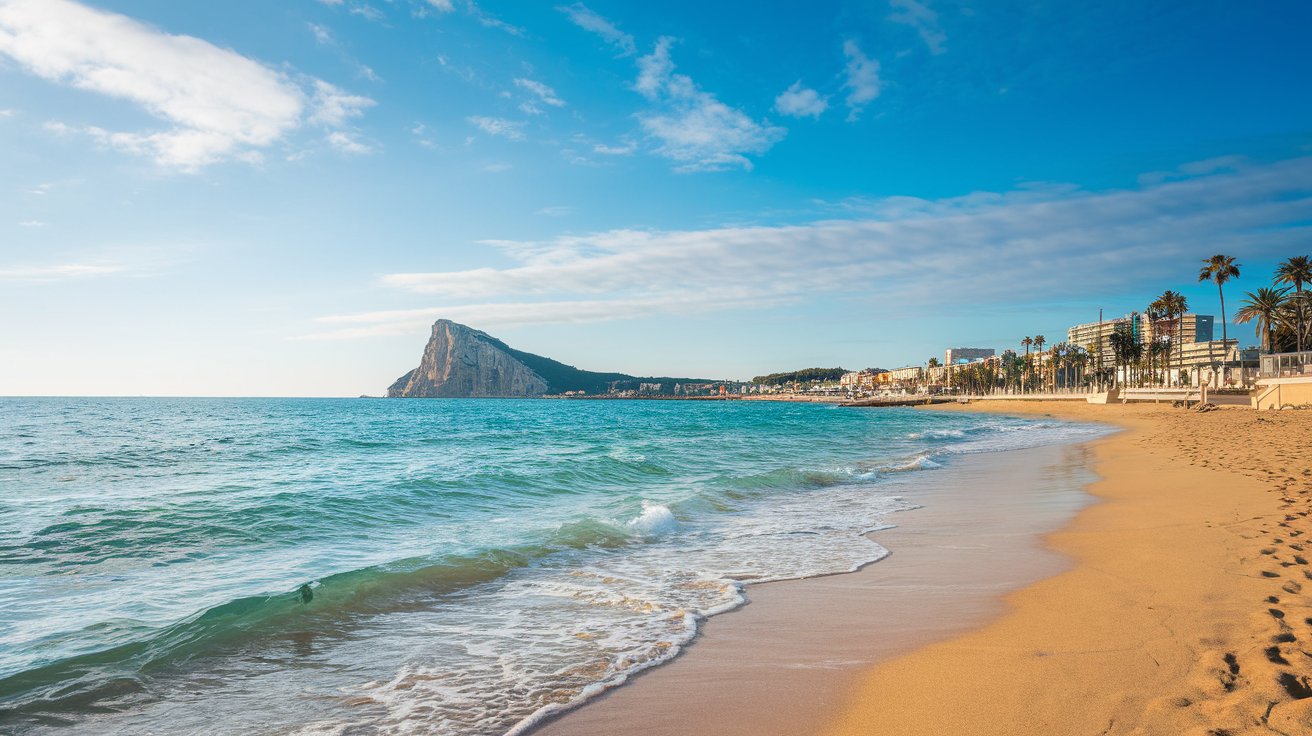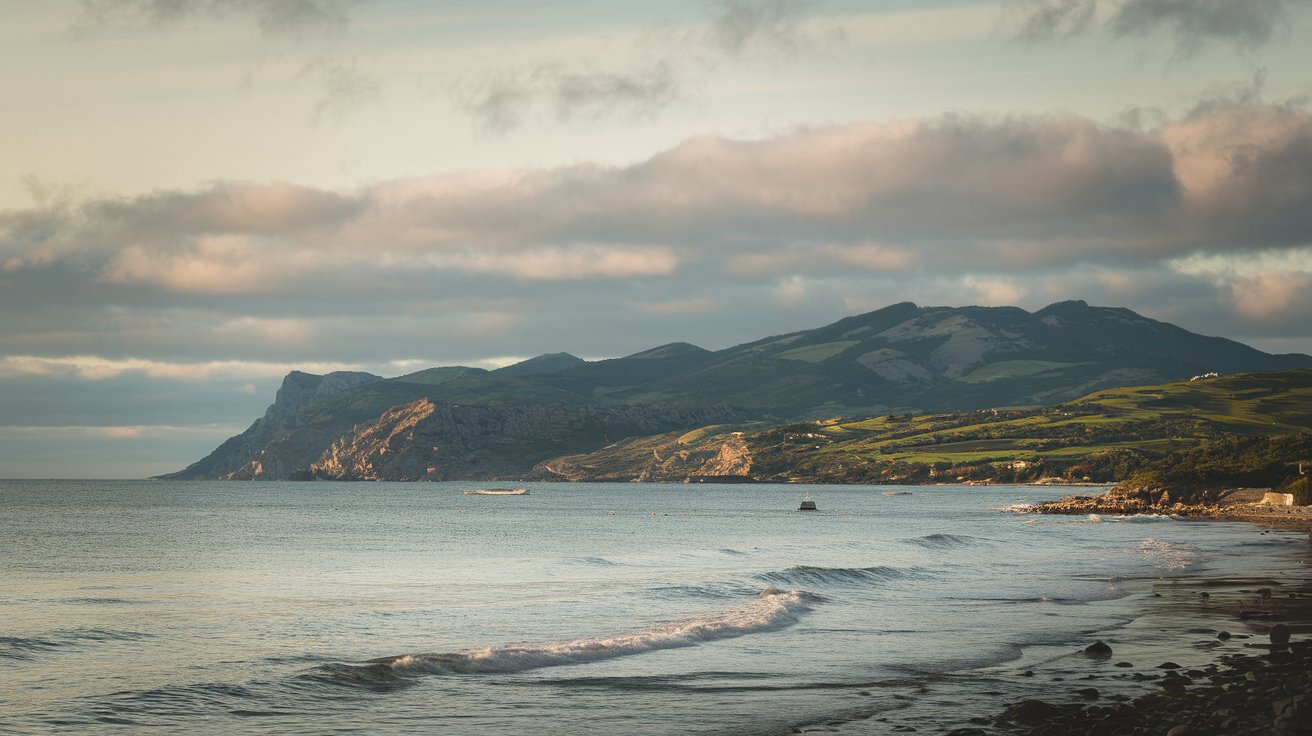
The Costa Blanca weather in December offers mild Mediterranean winter conditions perfect for travelers seeking warmth during the holiday season. With average daytime temperatures reaching 15-17°C (59-63°F) and approximately 7 hours of sunshine daily, this Spanish coastal region provides an appealing alternative to colder European and North American destinations. December brings comfortable conditions for sightseeing, outdoor dining, and coastal walks, though you’ll need light layers for cooler evenings that drop to around 8-10°C (46-50°F).
How Warm is Costa Blanca in December?
The Costa Blanca in December maintains pleasantly mild temperatures that distinguish it from much of Europe during winter months. Average daytime highs reach 15-17°C (59-63°F), while nighttime temperatures settle around 8-10°C (46-50°F). These conditions make it significantly warmer than northern Europe and comparable to mild winter days in southern California or Florida’s cooler periods.
The coastal areas benefit from Mediterranean maritime influence, which moderates temperature extremes. Cities like Alicante, Benidorm, and Torrevieja experience consistent weather patterns throughout December, with minimal temperature variation from week to week. Sea temperatures hover around 16-17°C (61-63°F), which is cool for swimming but pleasant for coastal activities. Humidity levels remain moderate at 65-70%, contributing to the comfortable feel despite cooler air temperatures compared to summer months.
December Temperature Details by Costa Blanca Region
Temperature variations across the Costa Blanca region in December remain relatively minimal, though microclimates create subtle differences worth noting for travelers planning specific activities.
Northern Costa Blanca (Denia, Javea, Calpe)
The northern section experiences average highs of 15-16°C (59-61°F) during December 2026. These areas receive slightly more rainfall than southern counterparts, averaging 35-40mm across the month. Morning temperatures start around 9-10°C (48-50°F), warming throughout the day. The Montgó Natural Park area and surrounding regions may experience cooler microclimates at higher elevations, dropping 2-3°C below coastal readings.
Central Costa Blanca (Benidorm, Altea, Villajoyosa)
Central areas record the most consistent December weather patterns, with average highs of 16-17°C (61-63°F). Benidorm’s unique topography, surrounded by mountains, creates a natural shelter that reduces wind and enhances sunshine duration. This zone experiences approximately 6-7 hours of daily sunshine, making it ideal for outdoor activities. Rainfall averages 30-35mm, with typically 4-5 rainy days throughout the month.
Southern Costa Blanca (Alicante, Torrevieja, Orihuela Costa)
The southern Costa Blanca region enjoys the warmest December conditions, with temperatures reaching 16-18°C (61-64°F) during peak afternoon hours. Alicante city and surrounding areas receive less precipitation, averaging 25-30mm monthly. The Torrevieja salt lakes create a unique microclimate that can add 1-2°C to local temperatures. This area receives the highest sunshine probability at approximately 75%, translating to bright, clear days perfect for exploring.
Sunshine and Daylight Hours in December
December brings approximately 9.5 hours of daylight to the Costa Blanca, with sunrise occurring around 8:15 AM and sunset at 5:45 PM. Of these daylight hours, the region averages 6-7 hours of actual sunshine, providing ample time for outdoor exploration and activities. The sunshine probability ranges from 65-75%, significantly higher than most European destinations during this period.
Clear, sunny days are common, particularly during the first two weeks of December before occasional weather systems bring brief periods of cloud cover. The low sun angle during winter creates beautiful golden-hour lighting that extends longer than summer months, perfect for photography and leisurely evening strolls. UV index levels remain moderate at 2-3, still requiring sun protection during midday hours. The consistent sunshine makes December an excellent month for visitors seeking outdoor activities without the intense summer heat.
Rainfall and Weather Patterns
December represents a transitional weather period for Costa Blanca, sitting between autumn’s occasional storms and winter’s drier conditions. Average monthly rainfall ranges from 25-40mm depending on specific location, distributed across 4-6 rainy days. When rain occurs, it typically arrives as brief showers rather than prolonged downpours, often clearing within a few hours.
Weather patterns follow predictable Mediterranean cycles, with stable high-pressure systems dominating most days. Occasional Atlantic weather systems can bring cloudier, cooler conditions lasting 1-2 days before returning to typical sunny weather. Wind conditions remain generally calm, with average speeds of 10-15 km/h (6-9 mph), though occasional stronger breezes occur along exposed coastal areas. The consistent weather patterns make planning outdoor activities reliable, with weather forecasts typically accurate 3-5 days in advance.
Comparing Costa Blanca to Other Spanish Regions
Understanding how Costa Blanca December weather compares to other popular Spanish destinations helps travelers choose the optimal location for winter visits.
Costa Blanca vs Tenerife Weather in December
Tenerife weather in December proves warmer than Costa Blanca, with average temperatures of 20-22°C (68-72°F) in coastal areas, making the Canary Islands approximately 4-5°C warmer. Tenerife offers better swimming conditions with sea temperatures around 20°C (68°F), while Costa Blanca’s 16-17°C seas are cooler. However, Costa Blanca provides more cultural experiences, better connectivity to mainland Europe, and generally lower accommodation costs. Flight times from the US East Coast to Costa Blanca via Madrid are typically 1-2 hours shorter than routes to Tenerife.
Costa Blanca vs Costa Brava Weather in December
The Costa Brava weather in December is noticeably cooler than Costa Blanca, with temperatures averaging 12-14°C (54-57°F), approximately 3-4°C lower. Costa Brava receives more rainfall and experiences stronger winds from the north. While Costa Brava offers beautiful medieval towns and rugged coastlines, Costa Blanca provides warmer conditions for comfortable outdoor exploration. Sunshine hours are similar, but Costa Blanca’s southern location ensures slightly longer periods of comfortable daytime temperatures.
Which Part of Spain is Hottest in December?
The hottest parts of Spain in December are consistently the Canary Islands, particularly southern Tenerife, Gran Canaria, and Lanzarote, where temperatures reach 20-23°C (68-73°F). On mainland Spain, Costa Blanca and the Costa del Sol compete for warmest conditions, with temperatures typically within 1-2°C of each other. Almería in Andalusia also records excellent December temperatures. Among these mainland options, Costa Blanca offers the best combination of warm weather, reasonable prices, excellent infrastructure, and diverse activities, making it ideal for winter escapes without requiring island flights.
Alicante Weather December Specifics
Alicante weather in December serves as an excellent benchmark for the broader Costa Blanca region, as the city sits centrally located along this coastline. Average temperatures range from 8°C (46°F) at night to 17°C (63°F) during afternoon hours, with December 2026 forecasts suggesting these patterns will continue consistently. The city receives approximately 28mm of rainfall spread across 4-5 days, making rain unlikely to significantly impact vacation plans.
Alicante’s Explanada de España promenade remains comfortable for walking throughout December, with most days allowing outdoor café seating during midday and afternoon hours. The city’s position along the coast ensures steady sea breezes that keep air quality excellent. Historical weather data from Alicante shows December as one of the more stable months, with fewer extreme weather events than autumn months. The airport records similar conditions to the city center, meaning weather experienced in Alicante represents well what visitors can expect throughout surrounding coastal towns.
What to Pack for Costa Blanca in December
Packing appropriately for Costa Blanca’s December weather requires layering options to accommodate temperature variations between warm afternoons and cooler evenings. Essential items include light sweaters or cardigans, long-sleeve shirts, and comfortable pants or jeans. A light waterproof jacket provides protection against occasional showers and evening coastal breezes without adding excessive bulk to luggage.
Daytime activities in sunshine allow for short sleeves or light long sleeves, particularly during the warmest afternoon hours between 1-3 PM. However, mornings and evenings definitely require additional layers. Closed-toe walking shoes are essential for comfortable exploration, while sandals work for warmer afternoon hours. Sun protection remains important despite winter timing—bring sunscreen (SPF 30+), sunglasses, and a hat for daytime outdoor activities. Evening dining often moves indoors or to covered terraces, so include one smarter outfit. A small daypack for carrying layers as temperatures change throughout the day proves invaluable for comfortable sightseeing.
Best Activities for December in Costa Blanca
December’s mild weather creates perfect conditions for activities that would be uncomfortable in summer heat or impossible in colder climates. Historic town exploration becomes particularly enjoyable, with sites like Alicante’s Santa Bárbara Castle, Guadalest village, and Altea’s old town accessible without summer crowds or heat exhaustion. Walking temperatures remain comfortable for extended periods, allowing thorough exploration without weather constraints.
The Costa Blanca hiking trails experience peak conditions during December, with comfortable temperatures for strenuous activities. Popular routes including the Montgó summit trail, Bernia Ridge, and coastal paths near Benidorm offer spectacular views without summer’s intense heat. Golf courses throughout the region remain in excellent condition, with many courses offering special winter rates. Wine tourism in nearby Alicante’s wine regions benefits from harvest completion and pleasant tasting room conditions. Christmas markets appear in major towns during December, combining Spanish traditions with seasonal festivities. Beach walks remain popular, and while swimming requires cold-water tolerance, many locals and visitors enjoy brief dips in the refreshing Mediterranean waters.
Costa Blanca Weather January Comparison
Costa Blanca weather in January remains similar to December conditions, with average temperatures typically 1-2°C cooler, ranging from 7-15°C (45-59°F). January often brings slightly more rainfall, averaging 30-35mm, and can experience occasional cooler periods when inland air masses affect the coast. Sunshine hours decrease marginally to approximately 6 hours daily, though clear days remain frequent.
The transition from December to January shows minimal dramatic changes, making either month suitable for winter visits. January typically sees fewer tourists after New Year celebrations conclude, potentially offering better accommodation rates and less crowded attractions. However, December provides the advantage of Christmas festivities and decorations throughout coastal towns, adding cultural atmosphere to visits. Weather predictability remains similar across both months, with stable patterns and only occasional unsettled periods. For travelers prioritizing warmth, December generally edges slightly ahead, while those seeking solitude might prefer January’s quieter atmosphere with nearly identical weather conditions.
Understanding Mediterranean Winter Climate Patterns
The Mediterranean climate that defines Costa Blanca creates distinctive winter weather patterns different from both continental and oceanic climates. High-pressure systems dominating the region during December produce stable, predictable conditions with extended sunny periods. The Mediterranean Sea acts as a thermal regulator, preventing extreme temperature drops and maintaining moderate conditions even during winter months.
These climate patterns result from Costa Blanca’s position at approximately 38°N latitude, similar to San Francisco or Athens, combined with protection from northern weather systems by interior mountain ranges. The Penibetic mountain ranges to the south and Sistema Ibérico to the north create a natural amphitheater that channels and moderates weather systems. When Atlantic depressions do affect the region, they typically weaken significantly before arrival, resulting in brief, light rainfall rather than prolonged storms. This climatic stability makes December weather forecasting relatively reliable, with consistent patterns year after year allowing confident trip planning.
Travel Tips for December Visitors
Visiting Costa Blanca in December offers several strategic advantages beyond favorable weather. Accommodation rates typically decrease 30-50% compared to summer peak season, with excellent availability at quality hotels and vacation rentals. Flight prices from major US hubs to Alicante or Valencia remain reasonable, particularly when booked 6-8 weeks in advance, avoiding both summer premiums and last-minute holiday price increases.
December represents an excellent time for experiencing authentic Spanish culture without overwhelming tourist crowds. Restaurants, museums, and attractions operate normal schedules with comfortable capacity levels. Local Christmas traditions including elaborate nativity scenes (belenes) and special holiday foods provide cultural experiences unavailable during other seasons. Car rental rates remain low, and coastal roads experience minimal congestion, making regional exploration efficient and enjoyable. Beach towns maintain their charm without summer’s intense activity, offering peaceful coastal experiences. The combination of good weather, reasonable prices, and authentic atmosphere makes December one of the most underrated months for Costa Blanca visits.
Related video about costa blanca weather december
This video complements the article information with a practical visual demonstration.
FAQ – Common Questions
Is it warm enough to swim in Costa Blanca in December?
Swimming in Costa Blanca during December is possible but challenging for most visitors. Sea temperatures hover around 16-17°C (61-63°F), which feels quite cold without a wetsuit. Many locals and cold-water enthusiasts do swim briefly, and some beaches have hardy swimmers year-round. However, most December visitors prefer beach walks, sunbathing during warm afternoons, and water activities like paddleboarding over extended swimming. Heated hotel pools provide comfortable swimming alternatives throughout the region.
Does it rain a lot in Costa Blanca during December?
December brings moderate rainfall to Costa Blanca, but it does not rain frequently. The region averages 25-40mm of precipitation spread across 4-6 days monthly, meaning approximately 80-85% of December days remain dry. When rain does occur, it typically arrives as brief showers lasting a few hours rather than all-day downpours. Weather systems move through quickly, often followed by clear, sunny conditions. This limited rainfall makes December significantly drier than many European destinations during winter months.
What is the coldest month in Costa Blanca?
January and February represent the coldest months in Costa Blanca, with average temperatures approximately 1-2°C lower than December. January typically records minimum temperatures of 6-8°C (43-46°F) and maximum temperatures of 15-16°C (59-61°F). However, the temperature difference between December and the coldest months remains minimal, usually imperceptible in daily experience. All three winter months maintain similar pleasant conditions, with December often feeling slightly warmer due to residual autumn heat and typically receiving more sunshine hours than January or February.
Is Costa Blanca warmer than Costa del Sol in December?
Costa Blanca and Costa del Sol experience very similar December temperatures, typically within 1-2°C of each other. Costa del Sol, particularly around Malaga and Marbella, may edge slightly warmer on average, reaching 17-18°C (63-64°F) versus Costa Blanca’s 15-17°C (59-63°F). However, Costa Blanca often receives more sunshine hours and experiences less rainfall than Costa del Sol during December. Both regions offer excellent winter weather, with choice depending more on preferred activities, cultural interests, and accessibility than significant temperature differences.
Can you sunbathe in Costa Blanca in December?
Sunbathing is definitely possible in Costa Blanca during December, particularly during the warmest afternoon hours between noon and 3 PM. Many beaches have visitors sunbathing on clear days when temperatures reach 16-18°C (61-64°F) and winds remain calm. Sheltered beach areas and hotel pool terraces provide comfortable sunbathing spots. You will need to bring warm layers for before and after, as morning and evening temperatures drop significantly. The UV index remains moderate at 2-3, so sun protection is still necessary for extended exposure despite winter timing.
How does Costa Blanca December weather compare to Florida?
Costa Blanca December weather is cooler than most Florida destinations. South Florida averages 20-25°C (68-77°F) in December, approximately 5-8°C warmer than Costa Blanca. However, Costa Blanca offers similar sunshine duration, lower humidity, and comparable rainfall levels. Northern Florida experiences temperatures closer to Costa Blanca at 15-18°C (59-64°F), making the comparison more similar. Costa Blanca provides better value, rich European culture, and excellent Mediterranean cuisine, while Florida offers warmer swimming conditions and more tropical atmosphere. Both destinations provide excellent winter escapes from colder climates.
| Weather Aspect | December Details | Visitor Benefits |
|---|---|---|
| Temperature Range | 15-17°C (59-63°F) days, 8-10°C (46-50°F) nights | Comfortable for all outdoor activities without extreme heat or cold |
| Sunshine Hours | 6-7 hours daily with 65-75% sunny days | Reliable weather for sightseeing and outdoor exploration |
| Rainfall | 25-40mm across 4-6 days monthly | Minimal impact on vacation plans with mostly dry days |
| Sea Temperature | 16-17°C (61-63°F) | Suitable for beach walks and water sports, challenging for swimming |
| Tourist Crowds | Low to moderate, 60-70% below summer levels | Authentic experiences with accessible attractions and lower prices |
| Accommodation Costs | 30-50% lower than peak season rates | Excellent value with premium properties at reasonable prices |