Planning a February escape to Costa Blanca offers US travelers a refreshing alternative to harsh winter conditions. With average daytime temperatures ranging between 15-17°C (59-63°F) and approximately 7 hours of daily sunshine, this Spanish Mediterranean coastline provides mild winter weather perfect for sightseeing, coastal walks, and cultural exploration. While ocean temperatures around 14°C make swimming challenging for most visitors, the pleasant climate and fewer crowds create ideal conditions for experiencing authentic Spanish culture at significantly lower prices than peak season.
Average Temperature and Climate Conditions in February
Costa Blanca weather in February features mild Mediterranean winter conditions that appeal to travelers seeking escape from colder climates. Daytime temperatures typically reach 15-17°C (59-63°F), while nighttime lows drop to 7-9°C (45-48°F). This temperature range requires layered clothing, especially for evening activities when coastal breezes create cooler conditions. The region experiences approximately 6-7 hours of sunshine daily, providing ample daylight for outdoor exploration without the intense heat characteristic of summer months.
February represents one of the driest months on Costa Blanca, with average rainfall around 25-30mm distributed across 4-5 rainy days. When precipitation occurs, it typically manifests as brief showers rather than prolonged rainfall. Humidity levels remain moderate at 65-70%, contributing to comfortable daytime conditions. Wind speeds average 15-20 km/h, occasionally increasing along exposed coastal areas. These climate patterns remain relatively consistent from Denia in the north through Alicante to Torrevieja in the south, though microclimates can create slight variations within the region.
How Hot Is Costa Blanca in February Compared to Other Spanish Destinations
When comparing Costa Blanca temperatures in February with other Spanish coastal regions, the area occupies a middle position. The Canary Islands, including Tenerife and Lanzarote, offer warmer conditions with averages of 18-21°C (64-70°F), making them the warmest Spanish destinations during winter months. Costa del Sol experiences similar temperatures to Costa Blanca, ranging 15-17°C, though southern locations like Malaga occasionally reach slightly higher peaks due to protection from northern winds.
Costa Brava weather in February presents noticeably cooler conditions, with temperatures averaging 12-14°C (54-57°F) and increased rainfall probability due to its more northern location. This positions Costa Blanca as an excellent middle-ground choice for travelers who want mild Mediterranean weather without traveling to island destinations. The region’s geographical positioning creates a microclimate that benefits from both Mediterranean influences and protection from Sierra de Aitana mountains, moderating temperature extremes throughout winter months.
What to Expect in Popular Costa Blanca Towns During February
Different Costa Blanca towns offer distinct experiences during February, with varying atmospheres and climate nuances that influence visitor experiences.
Benidorm Weather and Activities in February
Benidorm maintains relatively mild conditions in February with average temperatures of 16°C (61°F) and approximately 7 hours of daily sunshine. The city’s unique microclimate, created by surrounding mountains, often provides slightly warmer and calmer conditions than neighboring areas. February sees significantly fewer tourists compared to summer months, reducing crowds at major attractions like Terra Mitica theme park, which operates on limited schedules during winter. The beachfront promenade remains active with cafes and restaurants open, though swimming conditions prove challenging with sea temperatures around 14°C. Many British and northern European expatriates reside permanently in Benidorm, ensuring year-round services and entertainment options including shows, restaurants, and cultural activities.
Alicante Climate and Cultural Events in February
Alicante experiences similar February temperatures averaging 15-17°C with excellent sunshine hours. The city’s urban setting creates slightly warmer microclimates in sheltered areas, particularly around the historic center and Explanada de España promenade. February coincides with pre-Lenten festivities, offering visitors opportunities to experience authentic Spanish cultural celebrations. The port city maintains full operational capacity year-round with museums, restaurants, and shopping districts fully accessible. Santa Barbara Castle provides stunning panoramic views with comfortable walking conditions, while the MARQ Archaeological Museum offers indoor cultural experiences during cooler periods. The city’s airport connectivity makes it particularly convenient for US travelers accessing the region.
Calpe, Javea, and Northern Costa Blanca Conditions
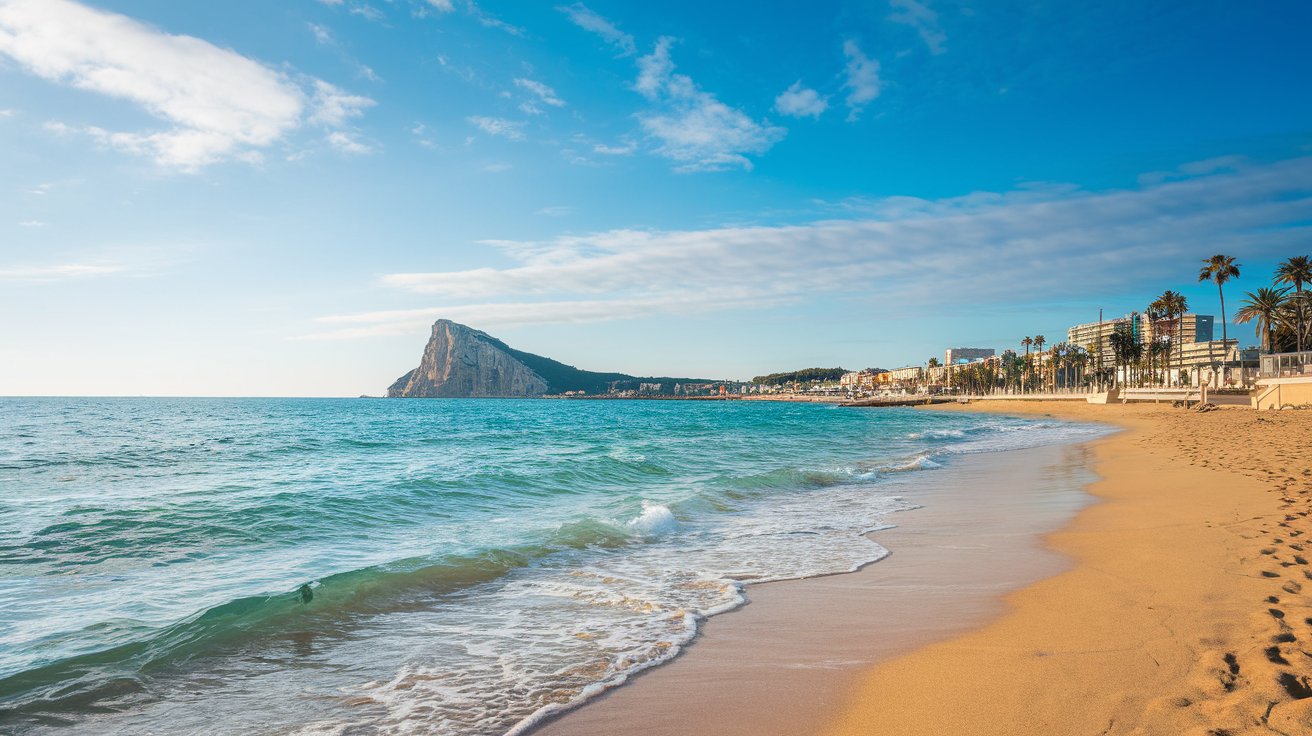
Northern Costa Blanca towns like Calpe and Javea experience marginally cooler conditions than southern counterparts, with temperatures ranging 14-16°C (57-61°F). These picturesque coastal villages offer authentic Spanish atmosphere with dramatically reduced tourist populations during February. Calpe’s iconic Peñón de Ifach rock formation provides excellent hiking opportunities in comfortable temperatures, while Javea’s historic center and three distinct beach areas remain accessible. These locations particularly appeal to visitors seeking tranquility, natural beauty, and cultural authenticity without commercial tourism intensity. Local markets, traditional restaurants, and coastal walking paths operate normally, providing genuine insight into Mediterranean coastal lifestyle.
Is It Worth Going to Benidorm and Costa Blanca in February
Visiting Costa Blanca in February offers substantial advantages for specific traveler profiles, though expectations must align with winter Mediterranean realities. The destination proves exceptionally worthwhile for visitors prioritizing cultural exploration, comfortable walking temperatures, and budget-conscious travel over beach activities and water sports. Accommodation costs decrease 40-60% compared to peak summer season, while flight prices from the United States to nearby Alicante Airport remain competitive during off-peak periods. Restaurant reservations become unnecessary, and popular attractions experience minimal wait times, significantly enhancing overall travel experiences.
However, travelers seeking traditional beach vacations may find February limiting. Ocean temperatures around 14°C (57°F) deter most swimming, though some hardy individuals and wetsuit users still enjoy water activities. Outdoor pools at hotels and resorts typically remain unheated and unappealing. Evening temperatures requiring jackets may disappoint those expecting warm Mediterranean nights. The destination excels for active travelers interested in hiking, cycling, golf, cultural tourism, and culinary experiences rather than sunbathing and swimming. February also attracts significant numbers of northern European winter residents, creating vibrant expatriate communities that maintain active social and cultural scenes throughout the region.
What to Pack for Costa Blanca in February
Appropriate clothing for February Costa Blanca weather requires versatile layering options accommodating temperature fluctuations between day and night. Essential items include lightweight long pants, long-sleeve shirts, a medium-weight jacket or fleece for evenings, and a light waterproof layer for occasional rain showers. Comfortable walking shoes prove crucial for exploring historic centers and coastal paths, while a sun hat and quality sunglasses protect against surprisingly strong winter sun during midday hours. Sunscreen remains necessary despite cooler temperatures, as UV exposure remains significant during clear days.
Additional recommended items include a small daypack for excursions, a reusable water bottle, and casual evening wear for restaurant dining. While beachwear won’t see extensive use, packing one swimsuit allows for heated hotel pool access or unexpectedly warm days. A compact umbrella provides insurance against brief rain showers. US travelers should remember European electrical adapters for charging devices. The overall packing strategy should emphasize comfort and flexibility rather than formal attire, as Costa Blanca maintains a relaxed Mediterranean atmosphere year-round. Layers allow adaptation to microclimates and temperature variations throughout daily activities.
Best Activities and Attractions for February Weather
February’s mild Costa Blanca weather creates optimal conditions for activities that would prove uncomfortable during summer heat. Hiking opportunities abound throughout the region, with trails ranging from coastal paths to mountain routes in Sierra de Bernia and Puig Campana. The comfortable temperatures make these excursions enjoyable without excessive heat or crowds. Historic town exploration becomes particularly pleasant, with sites like Guadalest village, Altea’s old quarter, and Villajoyosa’s colorful houses fully accessible without summer tourist congestion.
Golf enthusiasts find February ideal for Costa Blanca’s numerous championship courses, which maintain excellent conditions and offer reduced green fees compared to peak season. Wine tourism thrives during this period, with several DO Alicante wineries offering tastings and tours through scenic vineyard landscapes. Cultural activities including museum visits, art gallery tours, and traditional market browsing become centerpiece experiences. The Alicante MARQ Museum, Villena Archaeological Museum, and various art galleries throughout the region provide enriching indoor options during cooler periods. Photography enthusiasts appreciate February’s softer lighting conditions and absence of harsh summer glare, creating ideal circumstances for capturing Costa Blanca’s architectural and natural beauty.
Costa Blanca February vs Other Winter Months Comparison
Understanding how February compares to January and surrounding months helps travelers optimize visit timing. Costa Blanca weather in January averages slightly cooler at 14-16°C (57-61°F) with marginally more rainfall, though differences remain minimal. January also experiences shorter daylight hours, reducing available time for outdoor activities. February benefits from incrementally longer days and the psychological boost of approaching spring, though actual temperature differences prove negligible.
March and April bring noticeable warming trends, with March temperatures reaching 17-19°C (63-66°F) and April climbing to 19-21°C (66-70°F). These later months see increased tourist activity and rising accommodation costs as Easter holidays approach. October, sometimes compared to February for similar mild conditions, actually offers warmer temperatures of 22-24°C (72-75°F) with sea temperatures around 20°C still comfortable for swimming. February represents the coldest period on Costa Blanca’s annual calendar, yet remains substantially milder than most United States locations during this winter month, creating appealing contrast for American travelers escaping harsh conditions.
Weather Patterns and Climate Trends for February 2026
Based on meteorological data and climate patterns, February 2026 on Costa Blanca is projected to follow established trends with potential subtle variations influenced by broader Mediterranean climate patterns. Long-term data indicates increasing average temperatures across the Mediterranean basin, with February readings potentially reaching the higher end of historical ranges. Climate models suggest continued reduction in rainfall frequency during winter months, potentially making February 2026 even drier than historical averages.
The North Atlantic Oscillation significantly influences Costa Blanca winter weather, with positive phases generally bringing warmer, drier conditions and negative phases potentially introducing cooler, wetter patterns. Current projections for early 2026 suggest neutral to slightly positive oscillation patterns, favoring pleasant conditions. Travelers planning February 2026 visits should monitor forecasts starting 10-14 days before departure for most accurate predictions. Despite year-to-year variations, February consistently provides stable, mild conditions compared to summer’s intense heat or northern European winter severity. The month’s reliability makes advance booking feasible with reasonable confidence in encountering favorable weather conditions.
Travel Tips and Practical Information for February Visitors
Maximizing a February Costa Blanca visit requires understanding regional logistics and practical considerations. Alicante-Elche Airport serves as the primary gateway, offering direct connections to major European hubs where US travelers can connect. Car rental provides optimal flexibility for exploring smaller coastal towns and inland attractions, with February’s reduced traffic making driving particularly pleasant. Public transportation including buses and regional trains operates year-round, though with reduced frequency compared to summer schedules.
Accommodation options range from budget apartments to luxury resorts, with February rates representing exceptional value. Many hotels offer long-stay discounts appealing to visitors extending trips to maximize savings. Restaurant reservations generally prove unnecessary except at the most prestigious establishments, and many venues offer affordable menu del día lunch specials. Tourist attractions maintain regular operating hours, though some coastal businesses may have reduced schedules. English proficiency varies throughout the region, with tourist-focused areas offering better communication opportunities than inland villages. Learning basic Spanish phrases enhances experiences and demonstrates cultural respect. February’s mild weather rarely causes travel disruptions, making the period highly reliable for planned itineraries and activities.
Health and Safety Considerations for Winter Travel
Traveling to Costa Blanca in February presents minimal health concerns for properly prepared visitors. The region’s healthcare system ranks among Europe’s best, with numerous hospitals and clinics throughout the area. US travelers should ensure comprehensive travel insurance covering medical emergencies, as healthcare costs for non-EU residents can prove substantial. Pharmacies, identifiable by green crosses, are abundant and well-stocked, with pharmacists often speaking English and providing helpful advice for minor ailments.
February’s cooler temperatures eliminate heat-related health risks common during summer months, though sun protection remains important during midday hours when UV levels can be surprisingly high despite moderate temperatures. Hydration needs decrease compared to summer but maintaining adequate fluid intake during walking tours and physical activities remains advisable. The region’s lower pollen counts during February benefit allergy sufferers who struggle during spring months. COVID-19 and other respiratory illness considerations should follow current CDC and WHO guidelines, with mask-wearing and hygiene protocols adapted to prevailing recommendations. Overall, February presents a low-risk health environment with comfortable conditions for most travelers, including seniors and families with children.
Related video about costa blanca weather february
This video complements the article information with a practical visual demonstration.
Important things to know about costa blanca weather february
How hot is Costa Blanca in February?
Costa Blanca temperatures in February average 15-17°C (59-63°F) during daytime hours, with nighttime lows dropping to 7-9°C (45-48°F). The region experiences approximately 6-7 hours of daily sunshine, creating comfortable conditions for sightseeing and outdoor activities. While significantly milder than most United States winter weather, temperatures are not hot enough for traditional beach activities or swimming. The climate proves ideal for walking, cultural tourism, and outdoor exploration without summer’s intense heat.
Where in Spain is it warmest in February?
The warmest Spanish destinations in February are the Canary Islands, particularly Tenerife and Lanzarote, where temperatures reach 18-21°C (64-70°F). These Atlantic islands benefit from subtropical climates that remain mild year-round. On mainland Spain, southern Costa del Sol areas like Malaga and the Costa Blanca region share similar moderate temperatures around 15-17°C, making them the warmest mainland options. Costa Brava in northern Spain remains notably cooler at 12-14°C during February.
Is it worth going to Benidorm in February?
Visiting Benidorm in February is worthwhile for travelers prioritizing cultural experiences, comfortable walking weather, and budget savings over beach activities. Accommodation costs drop 40-60% compared to peak season, while attractions experience minimal crowds. The climate averages 16°C (61°F) with 7 hours of daily sunshine, perfect for sightseeing and dining. However, sea temperatures around 14°C make swimming unappealing for most visitors. Benidorm maintains active entertainment, restaurants, and services year-round due to its large expatriate population, ensuring visitors have plenty of activities despite the off-season timing.
What is the coldest month in Costa Blanca?
January and February represent the coldest months on Costa Blanca, with minimal temperature differences between them. January averages slightly cooler at 14-16°C (57-61°F) compared to February’s 15-17°C, though variations are marginal. Both months experience similar rainfall patterns around 25-30mm and comparable sunshine hours. December also brings cool conditions but typically remains slightly warmer than January and February. Despite being the coldest period, Costa Blanca winter temperatures remain substantially milder than most European and North American locations, making even these months attractive for visitors seeking escape from harsher winter climates.
Can you swim in Costa Blanca in February?
Swimming in Costa Blanca waters during February proves challenging for most visitors, as sea temperatures hover around 14°C (57°F). While some hardy individuals and wetsuit users still engage in water activities, the majority find conditions too cold for comfortable swimming. Heated hotel pools offer alternative swimming options, though many outdoor pools remain unheated and equally uninviting. February visits should focus on land-based activities rather than water sports. Travelers specifically seeking swimming opportunities should consider the Canary Islands, where February ocean temperatures reach more comfortable 18-19°C.
What should I pack for Costa Blanca in February?
Pack versatile layering clothing for Costa Blanca’s February weather, including long pants, long-sleeve shirts, a medium-weight jacket for evenings, and a light waterproof layer for occasional showers. Comfortable walking shoes are essential for exploring towns and coastal paths. Despite cooler temperatures, bring sun protection including sunglasses, hat, and sunscreen for midday hours. Add casual evening wear for restaurants, one swimsuit for heated pools, and a compact umbrella for brief rain. European electrical adapters are necessary for US electronic devices. Focus on comfort and flexibility rather than formal attire for the relaxed Mediterranean atmosphere.
| Weather Aspect | February Conditions | Traveler Benefit |
|---|---|---|
| Daytime Temperature | 15-17°C (59-63°F) | Perfect for walking, hiking, and sightseeing without heat stress |
| Sunshine Hours | 6-7 hours daily | Ample daylight for outdoor activities and photography |
| Rainfall | 25-30mm over 4-5 days | Minimal rain interference with planned activities |
| Tourist Crowds | Significantly reduced | Authentic experiences, no queues, easier reservations |
| Accommodation Costs | 40-60% lower than summer | Exceptional value and budget-friendly travel |
| Sea Temperature | 14°C (57°F) | Focus shifts to cultural and land activities |