Alicante is located on Spain’s southeastern Mediterranean coast in the Valencian Community, approximately 420 kilometers southeast of Madrid and 165 kilometers south of Valencia city. This vibrant coastal city sits directly on the Costa Blanca, serving as the capital of Alicante province with a population exceeding 337,000 residents as of 2026. Alicante’s strategic position makes it a gateway to some of Spain’s most beautiful beaches and historical landmarks.
Which Part of Spain is Alicante Located In?
Alicante is situated in the Valencian Community (Comunidad Valenciana), one of Spain’s 17 autonomous regions, specifically within the province that bears its name. This mainland Spain location places Alicante firmly on the southeastern Mediterranean coastline, making it distinct from island destinations like the Balearics. The city lies at coordinates 38.3452°N latitude and 0.4810°W longitude, positioned perfectly where the mountains meet the sea.
The province of Alicante forms the southern part of the Valencian Community, bordered by Murcia to the southwest and the province of Valencia to the north. This strategic positioning gives Alicante a unique cultural blend, incorporating Valencian traditions while maintaining its own distinct identity. The region enjoys over 300 days of sunshine annually, contributing to its reputation as one of Europe’s most desirable coastal destinations in 2026.
Is Alicante Part of Valencia or Andalusia?
A common misconception among United States travelers is whether Alicante belongs to Andalusia or the Valencia region. Alicante is definitively part of the Valencian Community, not Andalusia. While Andalusia lies further south and includes cities like Malaga and Granada, Alicante sits approximately 250 kilometers northeast of the Andalusian border. This distinction is important for understanding the city’s culture, dialect, and administrative region.
The confusion often arises because both regions share Mediterranean coastal characteristics and warm climates. However, Alicante’s inclusion in Valencia means the city follows Valencian regional laws, celebrates Valencian festivals like Las Hogueras de San Juan, and maintains strong economic ties with Valencia city. In 2026, this regional identity remains central to Alicante’s tourism marketing and cultural preservation efforts targeting international visitors.
Understanding Alicante’s Relationship with Benidorm
Alicante is not in Benidorm, though the two cities are closely connected neighbors along the Costa Blanca. Benidorm sits approximately 45 kilometers northeast of Alicante city center, roughly a 40-minute drive via the AP-7 highway or a convenient tram ride on the FGV line. Both cities share the same province and coastal region, but they maintain distinct identities with Alicante serving as the provincial capital and administrative center.
While Benidorm is renowned for its high-rise resort hotels and vibrant nightlife, Alicante offers a more authentic Spanish experience with historical significance, local culture, and a thriving year-round community. Many tourists visiting the Costa Blanca in 2026 choose to stay in Alicante and take day trips to Benidorm, enjoying the best of both worlds. The proximity makes it easy for visitors to experience Benidorm’s beaches and entertainment while returning to Alicante’s cultural richness and historical attractions each evening.
Major Cities Near Alicante and Transportation
Understanding Alicante’s proximity to major Spanish cities helps travelers plan comprehensive itineraries. Valencia city stands as the closest major metropolitan area at 165 kilometers north, accessible via a two-hour drive or a comfortable high-speed train journey. Murcia lies 80 kilometers to the southwest, offering a one-hour drive through scenic Spanish countryside. Madrid, Spain’s capital, sits 420 kilometers northwest, connected by frequent flights and a three-hour AVE high-speed train service that began enhanced operations in 2025.
The Alicante-Elche Airport (ALC), located just 9 kilometers from the city center, serves as a major international gateway with direct flights from over 100 destinations across Europe and seasonal connections to the United States as of 2026. Elche itself, famous for its UNESCO-listed palm grove, lies only 23 kilometers west of Alicante. Barcelona sits 520 kilometers northeast, representing a five-hour drive or three-hour train journey, while Granada in Andalusia is positioned 380 kilometers southwest.
Alicante’s Coastal Position and Beach Access
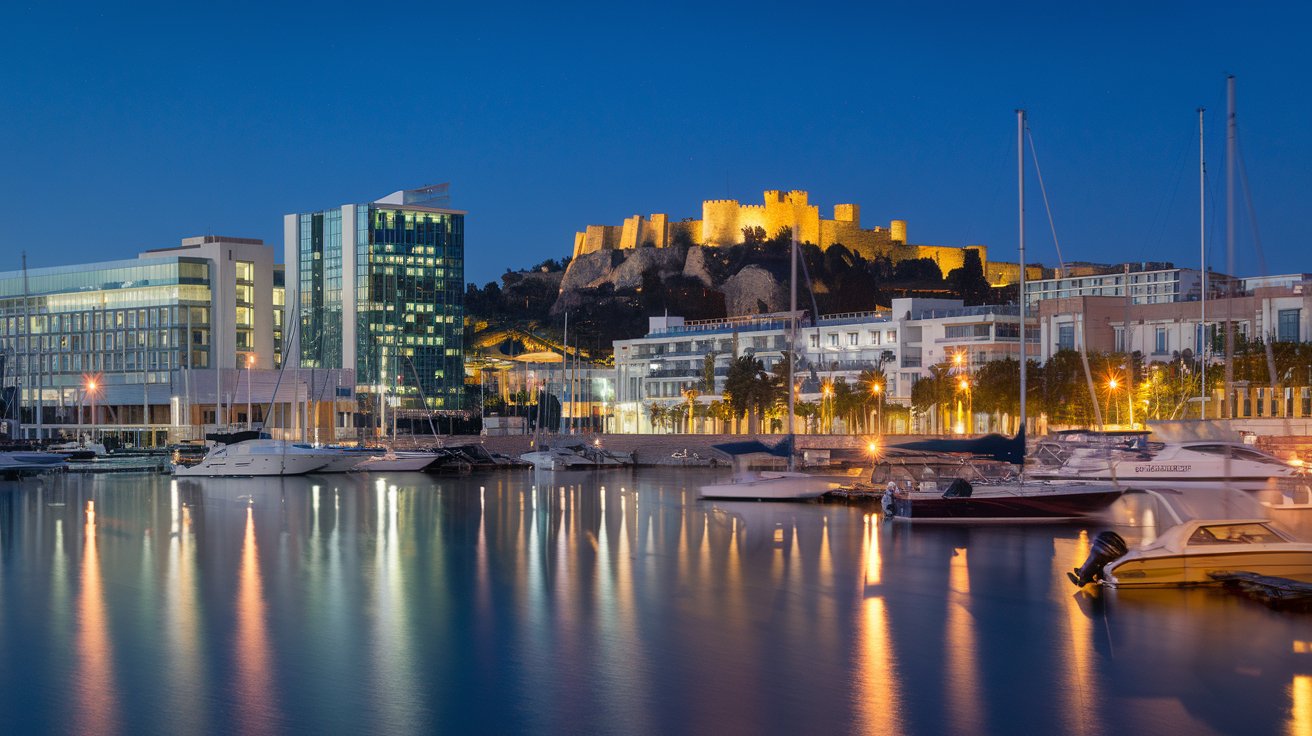
Alicante’s Mediterranean coastline stretches for 15 kilometers within the city limits, featuring numerous urban beaches that earned Blue Flag status in 2026. The city’s coastal position on the Costa Blanca means residents and visitors enjoy direct access to pristine beaches, waterfront promenades, and marina facilities. Playa del Postiguet, the main city beach, sits directly below the iconic Castillo de Santa Bárbara, offering convenient beach access within walking distance of the historic center.
The broader Costa Blanca region, of which Alicante serves as the unofficial capital, extends from Denia in the north to Pilar de la Horadada in the south, encompassing over 200 kilometers of Mediterranean coastline. This strategic coastal location has made Alicante a premier destination for beach tourism, water sports, and maritime activities. In 2026, the city’s expanded marina facilities accommodate over 700 vessels, and the coastal promenade system connects beaches seamlessly, creating one of Spain’s most accessible urban beach experiences.
Climate and Best Times to Visit Alicante
Alicante’s weather patterns reflect its Mediterranean coastal positioning with hot, dry summers and mild, pleasant winters. Average summer temperatures range from 28-32°C (82-90°F) between June and September, while winter months from December to February maintain comfortable averages of 12-17°C (54-63°F). The city receives approximately 2,953 hours of sunshine annually, contributing to its reputation as one of Europe’s sunniest destinations throughout 2026.
Rainfall remains minimal throughout the year, averaging just 285mm annually, with most precipitation occurring during brief autumn storms in October and November. For United States travelers planning visits in 2026, the shoulder seasons of April-May and September-October offer optimal conditions with temperatures between 20-26°C (68-79°F), fewer crowds, and significantly lower accommodation costs compared to peak summer months. Winter visits provide excellent value for budget-conscious travelers, with beach weather still possible on many days and all attractions operating normal schedules.
Cost of Living and Visiting Alicante
Many United States travelers ask whether Alicante is an expensive city compared to other Spanish destinations and European capitals. As of 2026, Alicante ranks as moderately affordable, with costs significantly lower than Barcelona or Madrid but slightly higher than smaller Costa Blanca towns. A mid-range daily budget for tourists ranges from $100-150 per person, including accommodation, meals, and activities, while luxury travelers should budget $250-400 daily.
Accommodation options span from budget hostels at $25-40 per night to four-star hotels averaging $120-180 per night in central locations. Dining costs remain reasonable, with authentic Spanish menu del día lunches available for $12-18 and quality dinner entrées at local restaurants ranging from $15-25. Public transportation is exceptionally affordable, with single tram or bus tickets costing $1.65 and ten-ride passes available for $10.50. Compared to equivalent coastal cities in France or Italy, Alicante offers approximately 30-40% better value while maintaining high-quality services and amenities.
Top Attractions and Things to Do in Alicante
Visitors to Alicante discover diverse attractions that blend historical significance with modern Mediterranean lifestyle. The city’s location provides easy access to beaches, mountains, and cultural sites within a compact, walkable urban environment. Understanding Alicante’s geographical position helps travelers maximize their itineraries by combining city exploration with regional day trips to surrounding Costa Blanca highlights.
Castillo de Santa Bárbara
This 9th-century fortress, perched 166 meters above sea level on Mount Benacantil, dominates Alicante’s skyline and offers panoramic views extending 100 kilometers on clear days. The castle’s strategic location historically defended the city from Mediterranean pirates and invading forces. In 2026, visitors access the fortress via elevator from Postiguet Beach or a scenic hiking trail, with admission costing $3 for adults and free entry on Sundays. The castle complex spans 35,000 square meters, featuring medieval ramparts, military exhibitions, and summer evening concerts.
Explanada de España
This iconic waterfront promenade, recognized by its distinctive red, cream, and black wave-pattern marble tiles, stretches 500 meters along the harbor and serves as Alicante’s social heart. Lined with over 60 palm trees and numerous outdoor cafés, the Explanada hosts artisan markets on weekends and provides stunning sunset views across the marina. The promenade connects directly to the city center, making it a natural starting point for exploring Alicante’s location and its relationship to the Mediterranean coastline.
Barrio de Santa Cruz
The historic Santa Cruz neighborhood cascades down the slopes below Santa Bárbara Castle, featuring narrow cobblestone streets decorated with colorful flowers and traditional Spanish architecture. This authentic quarter predates the modern city, maintaining its medieval layout and offering glimpses of traditional Alicante life. In 2026, the neighborhood hosts small tapas bars, artisan workshops, and provides access to scenic viewpoints overlooking the city and coastline, demonstrating how Alicante’s location creates dramatic vertical neighborhoods.
Day Trip Destinations from Alicante
Alicante’s central Costa Blanca position makes it an ideal base for exploring surrounding attractions. The city’s location provides easy access to diverse landscapes ranging from mountain villages to island escapes, all accessible within 90 minutes. Understanding these geographical relationships helps travelers appreciate Alicante’s strategic position on Spain’s Mediterranean coast.
Tabarca Island
This protected marine reserve, located 22 kilometers offshore from Alicante, represents Spain’s smallest permanently inhabited island at just 1,800 meters long and 400 meters wide. Daily ferry services departing from Alicante’s harbor require approximately one hour, with boats operating year-round as of 2026. The island features crystal-clear waters perfect for snorkeling, historic fortifications, and seafood restaurants specializing in caldero, a traditional rice dish. Round-trip ferry tickets cost $25 for adults, with departures every two hours during peak season.
Guadalest Valley
Situated 60 kilometers north of Alicante in the interior mountains, the Guadalest Valley combines dramatic scenery with medieval history. The hilltop village of Guadalest, perched 595 meters above sea level, attracts over 2 million visitors annually, making it one of Spain’s most visited villages. The drive from Alicante takes approximately 70 minutes through stunning mountain passes and almond groves. Visitors explore the castle ruins, unusual museums, and turquoise reservoir while experiencing mountain temperatures 5-8°C cooler than coastal Alicante.
Getting to and Around Alicante
Alicante’s transportation infrastructure reflects its importance as a provincial capital and tourist destination. The city’s location on major European flight routes and Spanish rail networks ensures excellent connectivity. In 2026, enhanced public transportation and pedestrian zones make navigating Alicante straightforward for international visitors unfamiliar with Spanish cities.
The FGV tram network connects Alicante with Benidorm, Denia, and smaller coastal towns, operating modern air-conditioned vehicles every 20 minutes during daytime hours. The L1 tram line runs from Alicante city through the airport to Benidorm, providing an affordable alternative to car rentals. City bus service operated by TAM covers 45 routes throughout urban Alicante, with contactless payment and English-language announcements implemented in 2025. The compact historic center remains largely pedestrianized, allowing visitors to explore major attractions on foot within 30 minutes.
Related video about where is alicante in spain
This video complements the article information with a practical visual demonstration.
Your questions answered
Which part of Spain is Alicante in?
Alicante is located in the Valencian Community (Comunidad Valenciana) on Spain’s southeastern Mediterranean coast. It serves as the capital of Alicante province, positioned approximately 165 kilometers south of Valencia city and 420 kilometers southeast of Madrid. The city sits directly on the Costa Blanca, making it part of mainland Spain rather than the island regions. This location places Alicante firmly in the Valencia region, not Andalusia, despite common confusion about its regional affiliation among international travelers.
Is Alicante a nice part of Spain?
Alicante consistently ranks among Spain’s most desirable coastal cities, offering an exceptional combination of authentic Spanish culture, beautiful beaches, and modern amenities. The city enjoys over 300 days of sunshine annually, features 15 kilometers of Mediterranean coastline, and maintains significantly lower costs than Barcelona or Madrid. In 2026, Alicante’s blend of historical attractions like Castillo de Santa Bárbara, vibrant local culture, excellent gastronomy, and convenient international airport connections make it particularly appealing for United States travelers seeking genuine Spanish experiences without overwhelming tourist crowds.
What is the closest major city to Alicante?
Valencia city is the closest major metropolitan area to Alicante, located 165 kilometers to the north, requiring approximately two hours by car or high-speed train. Murcia sits 80 kilometers southwest, representing about one hour of driving time. Elche, a significant city famous for its UNESCO-listed palm grove, lies just 23 kilometers west of Alicante. For smaller but popular destinations, Benidorm sits 45 kilometers northeast along the Costa Blanca coastline. Alicante’s airport also provides direct connections to Madrid in under one hour, despite the 420-kilometer distance.
Is Alicante an expensive city to visit?
Alicante offers moderate pricing compared to other Spanish coastal destinations, with daily budgets ranging from $100-150 per person for mid-range travelers in 2026. Accommodation costs significantly less than Barcelona or Madrid, with quality three-star hotels averaging $80-120 nightly. Restaurant meals remain affordable, with menu del día lunches costing $12-18 and dinner entrées at local establishments ranging from $15-25. Public transportation is exceptionally economical at $1.65 per ride. Compared to equivalent Mediterranean cities in France or Italy, Alicante provides approximately 30-40% better value while maintaining high-quality services.
Is Alicante on mainland Spain or an island?
Alicante is definitively located on mainland Spain, situated directly on the southeastern Mediterranean coastline. The city occupies a prime coastal position where the mountains meet the sea, offering both beach access and mountainous hinterland. This mainland location distinguishes Alicante from Spain’s island destinations like Mallorca, Ibiza, or the Canary Islands. However, Alicante does provide easy access to Tabarca Island, a small protected island 22 kilometers offshore that can be reached by regular ferry service for day trips from the city’s harbor.
Can you visit Benidorm from Alicante easily?
Yes, Benidorm is extremely accessible from Alicante, located just 45 kilometers northeast along the Costa Blanca. The FGV tram line provides direct service between the cities, operating every 20 minutes during daytime hours with journey times of approximately 70 minutes. Alternatively, the AP-7 highway allows driving between cities in 40 minutes. Many tourists in 2026 choose to base themselves in Alicante for its authentic Spanish culture and historical attractions while taking convenient day trips to experience Benidorm’s beaches, theme parks, and entertainment options.
| Location Aspect | Specific Details | Traveler Benefit |
|---|---|---|
| Regional Location | Valencian Community, southeastern Spain, Costa Blanca coastline | Authentic Valencian culture with Mediterranean beach access |
| Distance from Major Cities | 165km south of Valencia, 420km from Madrid, 45km from Benidorm | Easy day trips and excellent connectivity throughout Spain |
| Climate | 300+ sunshine days, 28-32°C summers, 12-17°C winters | Year-round pleasant weather for outdoor activities |
| Airport Access | Alicante-Elche Airport 9km from center, 100+ destinations | Direct international flights including seasonal US connections |
| Cost Level | $100-150 daily mid-range budget, 30-40% less than Barcelona | Excellent value for quality Mediterranean experience |
| Coastal Features | 15km of city beaches, Blue Flag status, marina with 700+ berths | Urban beach convenience with water sports and activities |